As a supplier of specialized wastewater treatment equipment, I’ve witnessed firsthand the transformative power of advanced technology in environmental protection. In this blog, I’ll share some insights on how to optimize the operation of such equipment, drawing from my years of experience in the industry. Specialized Wastewater Treatment Equipment

Understanding the Basics of Wastewater Treatment Equipment
Before delving into optimization strategies, it’s crucial to understand the fundamental components and functions of specialized wastewater treatment equipment. Our equipment typically consists of several key stages, including pre – treatment, primary treatment, secondary treatment, and tertiary treatment.
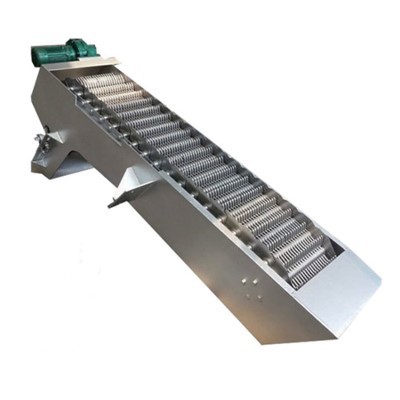
Pre – treatment involves the removal of large solids, such as debris, plastics, and sticks, through processes like screening and sedimentation. This step is essential to prevent damage to downstream equipment and ensure the smooth operation of the entire treatment system.
Primary treatment focuses on the removal of suspended solids and organic matter through sedimentation. During this stage, wastewater is allowed to settle, and the heavier solids sink to the bottom, forming sludge.
Secondary treatment is designed to further break down organic matter using biological processes. Microorganisms are introduced to the wastewater to consume the organic pollutants, converting them into carbon dioxide, water, and biomass. This stage is often the most critical in achieving high – quality treated water.
Tertiary treatment is the final step, aiming to remove any remaining contaminants, such as nutrients (nitrogen and phosphorus), pathogens, and trace chemicals. This can involve processes like filtration, disinfection, and advanced oxidation.
Optimization Strategies
1. Regular Maintenance and Inspection
One of the most important aspects of optimizing the operation of wastewater treatment equipment is regular maintenance and inspection. Just like any other machinery, our equipment requires routine checks to ensure its proper functioning. This includes inspecting pumps, valves, motors, and other components for signs of wear and tear, and replacing any damaged parts in a timely manner.
For example, the impellers in pumps can become worn over time, reducing their efficiency. By regularly inspecting and replacing these impellers, we can maintain the optimal flow rate and pressure in the system. Additionally, checking the seals on valves and pipes can prevent leaks, which not only waste water but can also lead to environmental contamination.
2. Process Monitoring and Control
Implementing a comprehensive process monitoring system is crucial for optimizing the operation of wastewater treatment equipment. By continuously monitoring key parameters such as pH, temperature, dissolved oxygen, and chemical concentrations, we can make real – time adjustments to the treatment process.
For instance, in the secondary treatment stage, maintaining the proper level of dissolved oxygen is essential for the growth and activity of the microorganisms. If the dissolved oxygen level is too low, the microbial activity will decrease, leading to inefficient treatment. By using sensors to monitor the dissolved oxygen level and adjusting the aeration system accordingly, we can ensure optimal treatment performance.
3. Chemical Management
Proper chemical management is another key factor in optimizing wastewater treatment. The use of the right chemicals in the right amounts is essential for effective treatment. For example, in the coagulation and flocculation process, the addition of coagulants such as aluminum sulfate or ferric chloride can help to remove suspended solids and colloidal particles.
However, over – dosing or under – dosing of chemicals can have negative effects. Over – dosing can lead to increased costs and the production of excessive sludge, while under – dosing can result in poor treatment performance. Therefore, it is important to carefully monitor and adjust the chemical dosage based on the characteristics of the wastewater and the treatment process.
4. Staff Training
Well – trained staff are essential for the optimal operation of wastewater treatment equipment. Providing regular training to operators on equipment operation, maintenance, and safety procedures can improve their skills and knowledge, leading to more efficient and reliable operation.
For example, training operators on how to troubleshoot common problems, such as pump failures or clogging in the treatment system, can reduce downtime and ensure continuous operation. Additionally, training on safety procedures can prevent accidents and protect the health of the staff.
5. Energy Efficiency
Energy consumption is a significant cost factor in wastewater treatment. Optimizing energy efficiency can not only reduce operating costs but also contribute to environmental sustainability. There are several ways to improve energy efficiency in wastewater treatment equipment.
One approach is to use energy – efficient pumps and motors. These devices are designed to consume less energy while maintaining high performance. Additionally, optimizing the aeration system, which is often the most energy – intensive part of the treatment process, can significantly reduce energy consumption. For example, using variable – speed drives to control the aeration rate based on the actual demand can save a substantial amount of energy.
Case Studies
To illustrate the effectiveness of these optimization strategies, let’s look at a few case studies.
In a municipal wastewater treatment plant, the implementation of a comprehensive process monitoring system led to a significant improvement in treatment performance. By continuously monitoring key parameters and making real – time adjustments, the plant was able to reduce the concentration of pollutants in the treated water and meet the strict environmental standards.
Another case involved a industrial wastewater treatment facility. Through regular maintenance and inspection, the facility was able to identify and replace a worn – out pump impeller in a timely manner. This not only restored the flow rate and pressure in the system but also prevented further damage to other components, saving both time and money.
Conclusion
Optimizing the operation of specialized wastewater treatment equipment is a complex but rewarding task. By implementing the strategies outlined in this blog, including regular maintenance, process monitoring, chemical management, staff training, and energy efficiency measures, we can ensure the efficient and reliable operation of the equipment, while also protecting the environment and reducing operating costs.
Packaged Sewage Treatment Plant If you’re interested in learning more about our specialized wastewater treatment equipment or have any questions regarding the optimization of your treatment system, we’d be more than happy to assist you. Feel free to reach out to us for a consultation. Our team of experts is ready to provide you with customized solutions based on your specific needs.
References
- Metcalf & Eddy. (2003). Wastewater Engineering: Treatment and Reuse. McGraw – Hill.
- Tchobanoglous, G., Burton, F. L., & Stensel, H. D. (2003). Wastewater Engineering: Treatment, Disposal, and Reuse. Pearson Education.
- WEF Manual of Practice No. 8. (2017). Operation of Wastewater Treatment Plants. Water Environment Federation.
Shandong Lingke Environmental Technology Co., Ltd.
We’re well-known as one of the leading specialized wastewater treatment equipment manufacturers and suppliers in China, featured by quality products and good price. Please rest assured to buy durable specialized wastewater treatment equipment for sale here from our factory. Customized orders are welcome.
Address: 100 Meters South of the Intersection of County Road 042 and National Highway 309, Changle County, Weifang City, Shandong Province
E-mail: aileenlin@sdlingkegroup.com
WebSite: https://www.lkecotech.com/
