Hey there! I’m a supplier in the vacuum circuit breaker game, and I often get asked about the difference between vacuum circuit breakers and air circuit breakers. So, I thought I’d break it down for you in this blog post. Vacuum Circuit Breaker
Basic Functionality: What They Do
First off, let’s talk about what these guys are supposed to do. Both vacuum circuit breakers and air circuit breakers are crucial parts of an electrical system. Their main job is to protect the system from overloads, short – circuits, and other electrical faults. When there’s too much current flowing through the circuit, they’re supposed to cut off the power to prevent damage to equipment, and even more importantly, to avoid fires and other safety hazards.
How They Work: The Big Difference
Vacuum Circuit Breakers
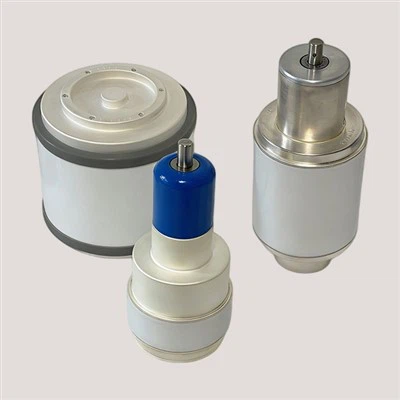
Let’s start with vacuum circuit breakers. In a vacuum circuit breaker, the contacts are placed inside a vacuum chamber. When the breaker needs to open the circuit, the contacts separate, and an arc is formed. But here’s the cool part: because there’s a vacuum inside the chamber, there are very few gas molecules to sustain the arc. So, the arc is quickly extinguished. This makes vacuum circuit breakers very efficient at interrupting the current. They can handle high – voltage circuits quite well. And they’re pretty reliable since the vacuum environment reduces the chances of contact wear and corrosion.
For us as a supplier, this reliability is a huge selling – point. Our customers know that when they install our vacuum circuit breakers, they’re getting a long – lasting solution. And since the interruption process is so fast, it causes less stress on the overall electrical system.
Air Circuit Breakers
On the other hand, air circuit breakers use air as the medium to extinguish the arc. When the contacts in an air circuit breaker separate, an arc is created. Then, the breaker uses various techniques to cool and de – ionize the air, which helps in extinguishing the arc. This might involve using magnetic fields to blow the arc into arc chutes, where the arc gets split into smaller arcs and eventually goes out.
Air circuit breakers are great for low – to medium – voltage applications. They’re also quite flexible because you can adjust their settings easily. You can change things like the trip current and the time delay based on the specific requirements of your electrical system. But compared to vacuum circuit breakers, they’re a bit bulkier and need more maintenance. The air inside the breaker can get contaminated over time, and the contacts can wear out more quickly.
Performance and Applications
Vacuum Circuit Breakers
When it comes to performance, vacuum circuit breakers are top – notch for high – voltage transmission and distribution systems. They can handle breaking currents in the range of thousands of amperes. Their fast arc – quenching ability means they can quickly isolate faults in the system, minimizing the damage. They’re also commonly used in industrial applications where a reliable and efficient circuit – breaking solution is needed. For example, in large factories with heavy machinery, our vacuum circuit breakers can protect the equipment from electrical faults and keep the production line running smoothly.
Air Circuit Breakers
Air circuit breakers, as I mentioned earlier, are more suitable for low – to medium – voltage applications. They’re often used in commercial buildings, small to medium – sized industries, and residential electrical systems. In a commercial building, an air circuit breaker can protect the electrical panels and the various circuits that power the lights, HVAC systems, and other electrical equipment. Their adjustability makes them a good fit for these types of applications where the electrical load can vary.
Maintenance Requirements
Vacuum Circuit Breakers
One of the big advantages of vacuum circuit breakers is that they require very little maintenance. Since the contacts are in a vacuum, there’s no exposure to air and moisture, which reduces the chances of oxidation and corrosion. The vacuum interrupters, which are the main components responsible for arc interruption, have a long service life. Usually, all you need to do is perform some basic visual inspections and occasional testing to make sure everything is working properly. This is a huge plus for our customers because it means less downtime and lower maintenance costs.
Air Circuit Breakers
Air circuit breakers, however, need more attention. The air inside the breaker can carry dust, moisture, and other contaminants, which can affect the performance of the contacts and the arc – quenching mechanism. You need to regularly clean the contacts, check the arc chutes for any damage, and make sure the operating mechanism is functioning correctly. This maintenance can be time – consuming and costly, especially in large electrical installations.
Cost Considerations
Vacuum Circuit Breakers
Vacuum circuit breakers tend to have a higher upfront cost. The technology involved in creating and maintaining a vacuum environment is more complex, which drives up the price. But when you factor in the long – term benefits, like low maintenance costs and high reliability, they can actually be a cost – effective solution in the long run. For large – scale projects where reliability is crucial, the initial investment in a vacuum circuit breaker is often worth it.
Air Circuit Breakers
Air circuit breakers are generally more affordable upfront. Their simpler design and the use of air as the arc – quenching medium make them cheaper to manufacture. But you have to keep in mind the ongoing maintenance costs. Over time, these costs can add up, and in some cases, they might end up being more expensive than a vacuum circuit breaker when considering the total cost of ownership.
Environmental Impact
Vacuum Circuit Breakers
Vacuum circuit breakers are more environmentally friendly. Since they don’t use any harmful gases or chemicals for arc quenching, there’s no risk of pollution. And because they have a long service life and require less maintenance, there’s less waste generated in terms of replacement parts. This is an important consideration for many of our customers who are looking to reduce their environmental footprint.
Air Circuit Breakers
Air circuit breakers, while they use air which is a natural and abundant resource, do have some environmental drawbacks. The maintenance process might involve the use of cleaning agents, and the worn – out parts need to be disposed of properly. In some cases, the air inside the breaker can get contaminated with various substances, which might require special handling during maintenance.
Conclusion

So, to sum it all up, the main difference between vacuum circuit breakers and air circuit breakers lies in their arc – quenching mechanism, performance, maintenance requirements, cost, and environmental impact. Vacuum circuit breakers are great for high – voltage applications, offer high reliability, low maintenance, and are environmentally friendly but come with a higher upfront cost. Air circuit breakers are more suitable for low – to medium – voltage applications, are more affordable initially, but need more maintenance.
Vacuum Relay If you’re in the market for a circuit breaker and you’re not sure which one is right for your needs, give us a shout. We’re a vacuum circuit breaker supplier with years of experience, and we can help you make the best decision for your electrical system. Whether you need a solution for a large industrial project or a small commercial building, we’ve got you covered. Let’s have a chat and see how we can work together to protect your electrical infrastructure.
References
- Electrical Engineering Handbook, Third Edition
- Principles of Power System Protection
Jingdezhen Wanping Electric Co., Ltd.
As one of the most professional vacuum circuit breaker manufacturers and suppliers in China, we also support customized service. We warmly welcome you to buy high quality vacuum circuit breaker made in China here and get pricelist from our factory. For price consultation, contact us.
Address: Zhangshukeng, Jingdezhen City, Jiangxi Province.
E-mail: jdzwpdq0815@163.com
WebSite: https://www.cewpdq.com/
