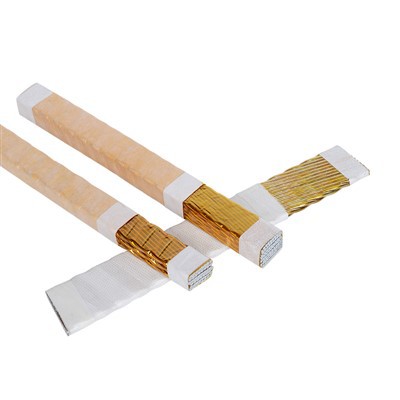
When it comes to wrapped wire, one of the most crucial factors that industries and businesses often inquire about is its tensile strength. As a professional wrapped wire supplier, I’ve had countless discussions with clients regarding this very topic. Understanding the tensile strength of wrapped wire is not just about knowing a technical specification; it’s about ensuring that the wire meets the specific demands of various applications, from delicate electrical components to heavy – duty industrial machinery. Wrapped Wire
Understanding Tensile Strength
Tensile strength is defined as the maximum stress that a material can withstand while being stretched or pulled before breaking. In the context of wrapped wire, it represents the wire’s ability to resist forces that attempt to elongate it. This property is measured in units of force per cross – sectional area, typically megapascals (MPa) or pounds per square inch (psi).
The significance of tensile strength lies in its direct relation to the wire’s performance and safety. For example, in electrical cabling, a wire with insufficient tensile strength may break under normal handling or during installation, leading to short circuits, power failures, and potential safety hazards. In construction or engineering applications, such as suspension bridges or elevator cables, the tensile strength of the wire is a matter of life – and – death. If the wire fails under stress, the consequences can be catastrophic.
Factors Affecting the Tensile Strength of Wrapped Wire
Material Composition
The type of material used in the core and the wrapping of the wire has a profound impact on its tensile strength. For instance, wires made from high – carbon steel generally have higher tensile strength compared to those made from low – carbon steel. High – carbon steel contains more carbon, which contributes to the formation of stronger atomic bonds within the material.
In addition to the core material, the wrapping material also plays a role. When a wire is wrapped with a strong, durable material like stainless steel or nylon, it can enhance the overall tensile strength of the wire. The wrapping can distribute the stress more evenly across the wire’s surface, preventing localized stress concentrations that could lead to premature failure.
Wire Diameter
The diameter of the wire is another significant factor. Generally, thicker wires have higher tensile strength than thinner ones. This is because a larger cross – sectional area can support more force without reaching its breaking point. For example, if you compare a 1 – millimeter diameter wrapped wire to a 2 – millimeter diameter one made of the same material, the 2 – millimeter wire will be able to withstand a greater pulling force.
However, it’s important to note that increasing the wire diameter also increases its weight and cost. Therefore, it’s necessary to strike a balance between the required tensile strength, the weight limitations of the application, and the budget constraints.
Manufacturing Process
The way the wrapped wire is manufactured can also affect its tensile strength. Processes such as cold – drawing can increase the tensile strength of the wire. Cold – drawing involves pulling the wire through a series of dies to reduce its diameter and increase its length. This process aligns the atomic structure of the material, making the wire stronger.
On the other hand, poor manufacturing practices, such as improper heat treatment or uneven wrapping, can weaken the wire and reduce its tensile strength. For example, if the wrapping is too loose, it may not provide sufficient support to the core wire, resulting in a lower overall strength.
Measuring the Tensile Strength of Wrapped Wire
There are several standard methods for measuring the tensile strength of wrapped wire. One of the most common methods is the tensile test. In a tensile test, a sample of the wrapped wire is clamped at both ends and gradually pulled at a constant rate until it breaks. During the test, the force applied to the wire and the corresponding elongation are recorded.
The tensile strength is then calculated by dividing the maximum force applied to the wire before it breaks by the original cross – sectional area of the wire. This test provides accurate and reliable data on the wire’s tensile strength, allowing manufacturers to ensure that their products meet the required standards.
Applications and Required Tensile Strength
Electrical Applications
In the electrical industry, wrapped wire is commonly used for wiring in buildings, electrical appliances, and electronic devices. For these applications, the required tensile strength is relatively low compared to some industrial applications. A typical electrical wire may have a tensile strength of around 200 – 500 MPa. This level of strength is sufficient to withstand normal handling during installation and minor mechanical stresses during use.
Industrial Applications
In industrial settings, such as manufacturing, mining, and construction, wrapped wire is often used in more demanding applications. For example, in conveyor belts, the wire needs to have a high tensile strength to support the weight of the materials being transported. In these cases, the required tensile strength can be as high as 1000 – 3000 MPa or even more, depending on the specific application and the load it needs to carry.
Automotive Applications
In the automotive industry, wrapped wire is used in various components, including wiring harnesses and suspension systems. The tensile strength requirements vary depending on the location and function of the wire. For wiring harnesses, the wire needs to be flexible and have a moderate tensile strength to withstand vibrations and movement within the vehicle. In suspension systems, however, the wire may need to have a very high tensile strength to support the weight of the vehicle and absorb shock.
Our Wrapped Wire and Tensile Strength
As a wrapped wire supplier, we understand the importance of providing high – quality products with consistent and reliable tensile strength. Our team of experts carefully selects the materials for our wrapped wires, ensuring that the core and wrapping materials are of the highest quality. We use advanced manufacturing techniques to produce wires with optimal tensile strength.
We also conduct rigorous quality control tests on every batch of our wrapped wires. Our in – house testing facilities are equipped with state – of – the – art equipment to perform accurate and comprehensive tensile tests. This allows us to guarantee that our wires meet or exceed the industry standards for tensile strength.
Whether you need a wrapped wire with a low tensile strength for electrical applications or a high – strength wire for industrial use, we have the expertise and resources to meet your requirements. Our team can work closely with you to understand your specific needs and recommend the most suitable wrapped wire for your application.
Contact Us for Procurement
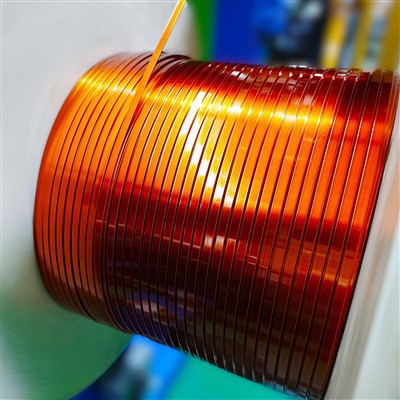
If you’re in the market for wrapped wire and have questions about tensile strength or other properties, we’re here to help. Our experienced sales team is ready to provide you with detailed product information, technical specifications, and pricing. We can also offer samples for you to test and evaluate.
Wrapped Wire Don’t hesitate to reach out to us to start a discussion about your wrapped wire procurement needs. We’re committed to providing you with the best products and services to ensure the success of your projects.
References
- Callister, W. D., & Rethwisch, D. G. (2018). Materials Science and Engineering: An Introduction. Wiley.
- ASM Handbook Committee. (2008). ASM Handbook Volume 1: Properties and Selection: Irons, Steels, and High – Performance Alloys. ASM International.
- ASTM International. (2019). ASTM Standards for Wire and Cable Testing. ASTM International.
Tianjin Jingwei Power Technology Co., Ltd.
As one of the most professional wrapped wire manufacturers and suppliers in China, we’re featured by quality products and good service. Please rest assured to buy durable wrapped wire made in China here from our factory. Contact us for more details.
Address: No.1 Chuangxin Rd. Xiaozhan Industrial Park, Jinnan District, Tianjin, China
E-mail: info@jwdc.cn
WebSite: https://www.jw-dcs.com/
