Hey everyone, it’s Jake from your go-to cotton pulp paper supplier, and today I’m breaking down something I get asked at least once a week: what’s the actual thickness range for cotton pulp paper? A lot of people mix this up with regular wood pulp copy paper, and honestly, I get it—most folks don’t dig into the nitty-gritty of paper specs until they’re holding a roll that’s too flimsy for their project. Let me cut through the confusion, keep it real, and share what I’ve learned from 7 years of sourcing, testing, and shipping cotton pulp paper to everyone from small stationery shops to big healthcare brands. Cotton Pulp Paper
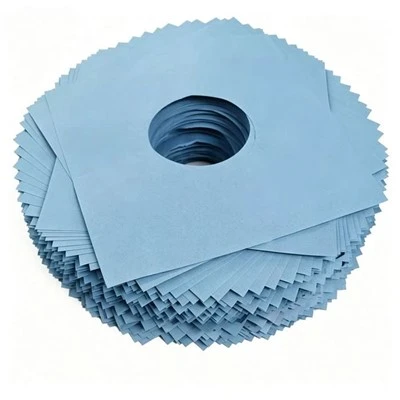
First off, let’s get one thing straight: cotton pulp paper isn’t like the 20-pound copy paper you grab from the office closet. This stuff is made from recycled cotton scraps (think old t-shirts, garment factory cut-offs) or raw cotton lint, not wood chips, so its thickness and feel are way different. Thickness is measured in two main ways I talk about with clients: caliper (that’s the physical thickness in thousandths of an inch, or microns, if you’re metric) and basis weight (the weight of a ream, usually 500 sheets of a specific size, like 8.5×11). A lot of new customers mix these two up, so let’s nail that first.
When it comes to caliper, the actual physical thickness, the range is way broader than you might guess, depending on what the paper’s being used for. Most of the standard cotton pulp paper I supply falls between 0.05 mm (that’s ~2 mils, if you use imperial) and 0.5 mm (~20 mils). Wait, I know that’s a huge gap—so let’s break down where each part of that range goes, because that’s where people get lost.
On the thinner end: that’s our lightweight cotton pulp, usually 0.05 mm to 0.15 mm (2 to 6 mils). This is the stuff we use for things like tissue liners, delicate art paper for watercolor sketches, or even thin bread wrappers for artisanal bakeries. A lot of people ask if thin cotton paper is flimsy, and yeah, it is—if you compare it to thicker stock—but it’s way sturdier than the same thickness of wood pulp paper. Cotton has way longer fibers than wood, so it doesn’t tear as easily when it’s thin. I had a customer last year who makes custom wedding invitations using our 0.1 mm cotton pulp paper for the inner envelope lining, and she told me it’s way softer than the tissue paper she was using before, plus it doesn’t get all crumpled when she folds it. That’s the thing about thin cotton pulp: it’s not just “thick thin paper”—it’s durable thin paper.
Then we hit the middle range, which is the sweet spot for most of our regular customers: 0.15 mm to 0.3 mm (6 to 12 mils). This is where 90% of the stuff we sell lives. Think notebook paper, business cards, greeting card stock, book pages, even the cotton-based filter paper we send to coffee roasters. This thickness is just stiff enough to hold its shape, but still has that soft, slightly textured feel that makes cotton paper so popular. I always tell new clients: if you’re not doing something super delicate or super heavy, you’re probably in this range. A local print shop I work with uses our 0.2 mm (8 mil) cotton pulp for their custom postcards, and they say they’ve had zero complaints about it feeling cheap, even when they print full-color designs on both sides. The middle range is also where you get the most flexibility—you can print on it, fold it, emboss it, even use it for DIY crafts without it being too hard to work with.
Now the thicker end of the range: 0.3 mm to 0.5 mm (12 to 20 mils). This is heavy-duty cotton pulp paper, and it’s for when you need something that can take a beating. We sell this for things like poster board, rigid book covers, packaging for premium goods (like luxury skincare or high-end watches), even medical supplies like sterile drapes. A lot of our clients in the packaging space used to use plastic or thick cardstock, but they switched to our heavy cotton pulp because it’s recyclable and way less likely to bend or crease during shipping. I had a client who ships handcrafted leather wallets tell me our 0.4 mm (16 mil) cotton pulp is the only stuff that doesn’t get scuffed when it’s stacked in a box with 50 other wallets. It’s not as flexible as the middle range, but that’s the point—this stuff is built to hold its form.
Wait, but I should note a quick disclaimer here: these numbers are for plain cotton pulp paper, no coatings or extra layers. If you add a laminate, a coating for water resistance, or print a thick layer of ink on it, that’ll add a little thickness, like 0.05 mm to 0.1 mm, depending on the finish. I always warn customers that if they’re planning to coat the paper or use it for something that needs extra rigidity, they should bump up the caliper a little—don’t just go by the base thickness. A common mistake I see is someone ordering 0.2 mm paper to coat, and then complaining it’s too thin because the coating makes it feel flimsy. Easy fix, just let me know if you’re adding any extra layers, and I’ll point you to the right thickness.
Now, let’s talk about basis weight, because that’s the other number people ask about, and it ties directly to thickness. For cotton pulp paper, basis weight is usually in pounds per ream (25×38 size, 500 sheets) or gsm (grams per square meter). The range here mirrors the caliper range: lightweight cotton is 20 to 60 gsm, middle is 70 to 120 gsm, heavy is 130 to 200 gsm. If you’re used to wood pulp, you might think a 70 gsm cotton paper is thicker than 70 gsm copy paper, and you’re right—because cotton fibers are denser, so they pack tighter, making the paper thicker even if the weight is the same. That’s why basis weight alone isn’t enough to go by; you have to check caliper, too. I always give clients both numbers when I send specs, because if someone needs a stiff business card, 300 gsm might sound super heavy, but that translates to about 0.35 mm, which is perfect for what they need.
Here’s a little behind-the-scenes stuff most suppliers won’t tell you: the thickness of cotton pulp paper also depends on how it’s manufactured. We use a Fourdrinier machine for most of our standard stock, and we can adjust the caliper by changing the speed of the machine and how much pulp we feed through. For our extra-thin tissue, we run the machine a little faster to get a lighter, thinner sheet, and for the heavy poster board, we slow it down a bit and add an extra layer of pulp. We also do a lot of testing in our on-site lab—every batch goes through a caliper test before it ships, so I can promise you the numbers I gave you are consistent, not just random estimates. I’ve had clients come back to me after testing different suppliers and say their last cotton paper was all over the place in thickness, some sheets way thicker than others, and that’s usually because those suppliers cut corners on manufacturing quality. We never do that—consistency is non-negotiable for us.
Another thing I get asked: can cotton pulp paper be thicker than 0.5 mm? Yeah, but not usually for standard use. We’ve done custom orders up to 1 mm (40 mils) for things like rigid book covers or specialty packaging, but that’s not something I keep in stock because most people don’t need it. If you’re looking for something that thick, just reach out, and I can hook you up with a custom order.
Wait, let’s also address a common myth: thicker cotton pulp paper isn’t always better. A lot of people think if a paper is heavier, it’s higher quality, but that’s not true. If you’re making delicate watercolor art, a thick 0.5 mm paper might absorb too much water and warp, while a 0.1 mm thin one is perfect. For notebooks, a 0.2 mm middle range is ideal because it’s not so thick that the notebook becomes heavy to carry, but it’s thick enough that ink doesn’t bleed through. So it all comes down to what you’re using it for, and I always help clients pick the right thickness for their specific project, not just the thickest one available.
As your cotton pulp paper supplier, I’ve seen what happens when people get the thickness wrong. A few months back, a local coffee roaster ordered our 0.15 mm filter paper because it was cheaper, and they found the thin paper couldn’t handle the pressure of the espresso machine, leading to sediment in the cups. We swapped them for our 0.2 mm filter paper, and that fixed the problem right away. That’s why I always ask clients to tell me exactly what they’re using the paper for—filter paper, business cards, whatever—because that helps me recommend the perfect thickness, no guesswork.
If you’re still confused about the thickness range, or you need a custom spec for your next project, I’m here to help. Don’t waste time guessing, or settling for paper that’s not the right thickness. Shoot me a message, tell me what you need, and I’ll send over all the specs you need—including exact caliper, basis weight, and even samples if you want to test them out. We work with businesses big and small, from tiny Etsy shops to large retail chains, so no order is too small or too big.
At the end of the day, cotton pulp paper’s thickness range is there for a reason—different projects need different specs, and that’s what makes this material so versatile. It’s not a one-size-fits-all product, and knowing the range helps you pick the right paper that’ll work for your needs, whether you’re making wedding invitations, packaging premium products, or printing a book. If you have any questions, just reach out— I’m always happy to chat about paper, specs, or whatever else you need. Let’s get your project the right cotton pulp paper, stat.
Wool Paper References
- Technical Association of the Pulp and Paper Industry (TAPPI). T411 om-18: Thickness (Caliper) of Paper, Paperboard, and Combined Board.
- Cotton Council International. Cotton Fiber Properties and Their Impact on Paper Performance.
- Paper Age. “Cotton Pulp Paper: Manufacturing, Grades, and Applications.” March 2023.
- International Organization for Standardization (ISO). 536: Paper and board – Determination of grammage.
Shanghai Rongying Industrial Co., Ltd.
As one of the most professional cotton pulp paper manufacturers and suppliers in China, we’re featured by quality products and good price. Please rest assured to wholesale customized cotton pulp paper from our factory. If you have any enquiry about quotation and free sample, please feel free to email us.
Address: Jiahua Business Center C building 204 room, No.808 Hongqiao Road,Xuhui District,Shanghai,China
E-mail: info@shryspecialtypaper.com
WebSite: https://www.woolpaper.com/
