
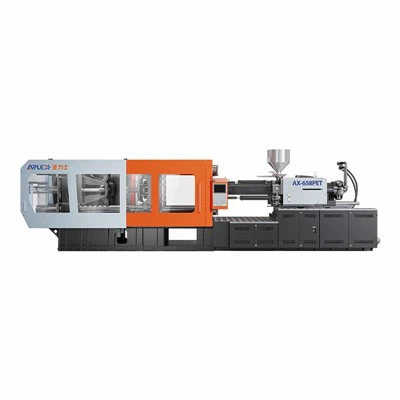
Temperature Control Unit Hey everyone, Sam here from the optical frame injection moulding machine side—you know, the guy who’s on the floor every day tweaking these machines so they run smooth, not just for us, but for our customers who make those sleek, light frames you grab at eye doctors’ offices. Lately, I’ve been getting so many calls from our buyers (small to mid-sized frame manufacturers) asking the same question: “How do I cut down on my energy bills for these machines without killing production or frame quality?” Let’s be real—injection moulding is energy-heavy, and if you’re cranking out 20k frames a week, that utility cost adds up faster than you can say “polycarbonate resin.” I’ve tested a ton of hacks over the years, both in our shop and with clients, and today I’m laying out the actual, doable energy-saving measures for optical frame injection moulding machines—no fluff, no jargon, just what works. First off, let’s start with the machine itself, not the random hacks. You might think “it’s just a moulding machine, turn it on and go,” but no—hydraulic vs. all-electric? Wait, no, some people still use hybrid, but let’s get specific. Wait, not just the type, but the hydraulic system setup. A lot of old machines run constant hydraulic pump speed, even when they’re just holding pressure or cooling. That’s wasted energy—like leaving your car idling while you run in for a gallon of milk. The fix? Variable frequency drives (VFDs) for the hydraulic pumps. I helped a client in Detroit swap their old fixed-speed pump for a VFD last quarter, and their power use dropped 32% in two weeks. Why? Because the pump only uses as much energy as it needs for that cycle—when the machine is cooling, the pump slows way down, not just spinning full tilt all the time. And don’t skip on pump maintenance—clogged filters or worn seals make the pump work harder, which burns more energy. We tell all our clients to do a pump check every 3 months, not when the pressure drops. Next up, the barrel and heating—this is another big energy hog. Optical frames use materials like polycarbonate, TR-90, maybe even Trivex, which need precise barrel temperatures. A common mistake is cranking up all the barrel zones to max “just in case,” even if only the nozzle zone needs to be hot. Last year, I had a client in Austin who was running all zones at 280C, but the feed zone only needed 220C—they were wasting 25% of their heating energy that way. The fix is simple: use temperature controllers with zone-specific setpoints, and add insulation to the barrel. We sell high-temperature, heat-resistant insulation jackets for our machines, and clients swear by them—they trap the heat so it doesn’t escape into the shop air, meaning the heating elements don’t have to cycle on as often. Also, don’t leave the machine idling when you’re not running jobs. A lot of operators hit “standby” but leave the barrel heating on full—instead, use the “idle mode” that lowers barrel temp by 40-50C and slows the screw. One client shifted from standby to idle mode on weekends and saved $1,200 a month on electricity. That’s not chump change for a small shop. Now, the mould part—this is where people sleep on energy savings, but it’s huge for cycle time, which ties directly to energy use. The faster a mould cools, the faster you can cycle the machine, and less time the heating elements are on, plus less pump work. First, use conformal cooling in the moulds, not just straight drilled channels. Conformal cooling follows the exact shape of the optical frame (which is curved, not flat), so the resin cools evenly and faster. I worked with a mould maker in Taiwan last year who retrofitted some of our machines’ moulds with conformal cooling, and cycle times dropped 18%—that means more frames per hour, less energy per frame. Also, use chilled water with a variable flow rate, not a fixed flow. If you’re using a 10-ton chiller for mould cooling, you don’t need full flow when the frame is small or thin—variable flow adjusts based on mould temp, cutting chiller energy by 20-25%. Pro tip: make sure your chiller is sized right for the mould, not overkill. A lot of shops buy a chiller that’s too big “just in case,” but oversized chillers run inefficiently at partial load. Now, material handling and waste—wait, how does that tie to energy? Let me explain. If you’re wasting resin, you’re wasting the energy that went into melting it. Optical frames need super consistent resin (no bubbles, no discoloration), so a lot of shops over-dry the resin before feeding it into the barrel. Excessive drying uses more energy, and it’s unnecessary—each resin type has a specific dew point; TR-90 only needs drying to 0.02% moisture, not 0.05% like some old guides say. We do resin testing for all our clients, and we set custom drying parameters, not generic ones. One client cut their drying energy use by 40% just by fixing their resin dryer setpoints. Also, use regrind properly—if you can mix up to 15% of post-consumer or runner resin (the leftover sprues from moulding) with virgin resin, that’s less wasted material, and you don’t have to re-melt as much virgin resin, saving energy. Just make sure the regrind is clean and ground fine—no big chunks that mess up the barrel. Wait, what about compressed air? A lot of people use compressed air for part ejection or mould cleaning, but compressed air is super inefficient—only about 10% of the energy used to run the compressor actually makes it to the point of use. A hack we push on all clients is to use ejector pins or gentle mould vibration instead of compressed air for ejection, and use low-pressure air only when you need it. One client went from using 90 PSI compressed air for ejection to 40 PSI with ejector pins, and their compressor energy dropped 17%—that’s a win. Now, operator habits—this is the underrated part, because even the best machine will waste energy if the operator is cutting corners. For example, a lot of operators will open the machine door mid-cycle to check the frame, which lets all the hot air escape and makes the heating elements work harder to re-heat the barrel. We train all our customers’ operators to only open the door during the purge step, not mid-cycle. Also, don’t over-pack the mould—over-packing means you need more pressure from the hydraulic pump, which uses more energy, and it can lead to rejected frames. We provide custom cycle recipe sheets for every job, so operators know exactly how much pressure, speed, and cooling time they need, no guesswork. Last month, a client in Chicago had their team go through our training, and their operator-related energy waste dropped 22% in a month. Wait, what about when you’re not using the machine for a whole shift or weekend? A lot of shops leave the barrel heated all day, but if you’re running two shifts, you can set the machine to “warm-up mode” that lowers barrel temp overnight, then cranks it back up an hour before the next shift starts—no more heating the barrel for 8 hours while it’s idle. That’s another big one. Now, machine upgrades vs. retrofits—some people think they need a whole new machine, but a lot of our energy-saving advice is retrofitting existing machines, which is way cheaper. We offer retrofit kits for all our models: VFD pump kits, insulation jackets, conformal cooling adapters, and custom temperature controllers. I always tell clients: if your machine is less than 10 years old, retrofitting is 70% cheaper than buying new, and gives you 80% of the energy savings. If it’s older than 15 years, maybe start with retrofits for the biggest hogs (pump, heating) before thinking new. Wait, let’s get real about real-world results—this isn’t just theoretical. We had a client in Florida who makes sports glasses frames, they implemented all these measures over 3 months: VFD pump, barrel insulation, conformal cooling moulds, fixed resin drying, operator training. Their total energy use per 1000 frames dropped 41%. That’s not a typo—41%. They went from $2.10 in energy per 1000 frames to $1.24. That’s a $860 savings per week, which is $44,720 a year. For a shop with 5 machines, that’s $223,600 a year. That’s money you can put into growing the business, hiring more staff, buying better moulds—way better than wasting it on utility bills. Now, some common mistakes I see people make: buying cheap insulation that doesn’t fit right, so it doesn’t trap heat; getting a VFD that’s not matched to their pump size, so it causes more wear; over-drying resin because they think “dryer is better”; leaving chillers running even when the shop is closed. Avoiding those small mistakes makes all the difference. At the end of the day, energy savings for optical frame injection moulding isn’t about skimping on quality—because optical frames have super tight specs (no warping, clear lenses, precise dimensions). All these measures we talked about actually improve frame quality too: even cooling means less warping, proper pressure means no flash, consistent heating means no bubbles. So it’s not just cutting energy, it’s making better parts, less waste from rejects. That’s a double win. If you’re a manufacturer dealing with optical frame moulding and tired of those sky-high energy bills, don’t guess on fixes—reach out, and we can walk you through exactly what your machine, your moulds, and your operations need to cut energy without hurting production or frame quality. We don’t do one-size-fits-all here—every shop is different, so we’ll do a free energy audit (yes, free, no strings) to spot your biggest waste points. Drop us a line, and let’s figure out how to make your operation more efficient.
References: Optical Frame Injection Moulding Machine
- International Energy Agency. (2022). Industrial Energy Efficiency Best Practices for Injection Moulding.
- Society of Plastics Engineers. (2021). Energy Savings in Thermoplastic Injection Moulding Operations.
- Optical Device Manufacturers Association. (2020). Energy-Efficient Moulding Processes for Precision Optical Components.
- U.S. Department of Energy. (2023. Industrial Technologies Program: Hydraulic System Efficiency.
Ningbo Yalishi (Arlex) Plastic Machinery Co., Ltd.
Address: No.63, Huangsu East Road, Industrial Zone, Dongqian Lake Tourist Resort, Ningbo, Zhejiang Province
E-mail: leo@arlex.cn
WebSite: https://www.arleximm.com/
