Hey there, if you’re on the hunt for variable-area flowmeters (you know, those rotameters that measure gas/liquid flow by how high a float spins in a tapered tube), I’m here to cut through the brand noise as someone who’s spent years in this exact space—half my time selling these bad boys, half troubleshooting when a customer gets stuck with a dud. Let’s break down the common, reliable brands you’ll actually run into, no corporate fluff, just real talk. Variable-area Flowmeter

First, let’s get one thing straight: not all rotameters are created equal. I’ve seen customers grab a no-name off Amazon for a lab test and blow a line because it couldn’t handle corrosive chemicals, then go for a fancy brand for a brewery and get frustrated with overcomplicating features that don’t matter for simple beer CO2 flow. The brands we deal with most (and recommend) fit different needs, so let’s split ‘em up by use case, because that’s way more helpful than just a list.
Starting with the workhorse industrial ones—these are the ones you’ll find at a chemical plant, a water treatment facility, or a big food processing line. First up, Brooks Instrument. C’mon, everyone in flow knows Brooks. I’ve got a Brooks rotameter on my backlog right now that a refinery customer asked for, because these things are built like tanks. They do both metal-tube and glass-tube models, which is key. The metal ones (their series like the MT380) can handle high pressure and temp—think 1000 psi and 500°F—perfect for those harsh chemical lines. Their glass ones, like the Sho-Rate line, are the go-to for OEMs, like guys making packaging machinery that needs consistent air flow. The only downside? They’re not cheap. I had a client who tried to save a buck with a cheaper Brooks clone, and it cracked in 6 months because the bore tolerance was off. Brooks charges for accuracy—like, their float stays centered better, so readings don’t drift. I always tell new customers: if your line is running 24/7, you don’t want to swap a flowmeter every year, so pay the extra for Brooks.
Next in industrial heavy hitters: ABB. Wait, ABB isn’t just for big PLC systems, right? They make variable-area flowmeters too, and their thing is smart integration. A lot of my customers who are automating their factories go for ABB because their rotameters (they call ‘em the Variable Area Flowmeter Series 10) hook right up to their existing control systems without extra converters. I had a brewery last year that switched from analog rotameters to ABB’s because they wanted to track beer flow rates remotely—no more having a operator stuck by the tank reading the dial. The digital display on ABB’s is way clearer than some brands, too—even in a noisy plant floor, you can make out the numbers. Their metal tube models are also corrosion-resistant; they use 316L stainless steel, so they work with acids and brines, which is why we sell ‘em a lot for water treatment facilities. The only thing to note: their glass models aren’t as common as Brooks’—ABB focuses more on industrial, not lab use, so if you need glass for small batches, they might not be your first pick.
Now, if you’re in the lab or small-scale manufacturing, like a university lab testing chemical reactions, or a startup making craft vape juice that needs precise flow of flavor oils, then Swagelok is a big one. Wait, Swagelok is known for fittings, but their rotameters are actually solid. They do glass-tube, low-flow models that are super accurate—like, +/-2% reading accuracy, which is perfect for small samples. I sold a set to a grad student last month who was testing CO2 levels for a algae growth experiment, and she said it was way easier to calibrate than the old model she had from another brand. The best part about Swagelok? They’re easy to repair. If the glass tube cracks, you can just swap it out without sending the whole unit back—something no-name brands can do. The downside? They’re not for high pressure. If you need over 150 psi, Swagelok will work, but I’d lean back to Brooks or ABB. Also, their pricing is mid-range—cheaper than Brooks, more than the cheap Chinese brands I won’t name here.
Speaking of smaller, more specialized uses: if you’re dealing with medical or clean applications, like pharmaceutical manufacturing or even aquarium CO2 systems, then Key Instruments is a brand we sell a lot of. They make glass-tube rotameters with clean, FDA-approved materials—super important for pharma where no contamination can get in. I had a pharma client last quarter that switched from a generic brand to Key’s because they couldn’t get the certifications they needed for their drug formulation lines. Their flowmeters have built-in shut-off valves, which is a nice touch—if the line leaks, the float stops, no more wasted product. The only thing? They’re pretty specific to clean, low-pressure uses, so I don’t recommend ‘em for heavy industrial stuff.
Now, I can’t skip the ones that are super common in OEM (original equipment manufacturing) for compact applications. Like, if you’re building a portable air compressor or a small refrigeration unit, you’ll see Omega Engineering’s rotameters everywhere. Omega does a lot of low-cost, small-sized models that fit tight spaces. Their glass-tube ones are lightweight, so they don’t add bulk to the equipment, which is why so many small OEMs go for ‘em. I sold a bunch to a startup making portable water purifiers last year, and they worked perfectly for tracking water flow through the filter. The downside? They have a shorter lifespan than Brooks or ABB—like, if you’re running them 24/7, they might drift after 2 years, whereas Brooks will last 5. But if you’re building a product that needs to be affordable, Omega is the way to go.
Wait, but let’s talk about the cheap ones you should avoid. I know, I know—everyone likes a bargain. But I’ve seen too many customers get burned by no-name Chinese rotameters on Alibaba. They might work for a week, but then the float sticks, or the tube has scratches that throw off readings. Last year, a food processing client bought 10 no-name rotameters for their juice lines, and 3 broke in a month because the plastic connectors couldn’t handle the cleaning chemicals. I don’t sell those, and I don’t recommend them—they end up costing you more in downtime and replacements, trust me.
Now, as a variable-area flowmeter supplier, here’s what I tell customers when they’re choosing: first, define your needs. Are you measuring high flow, high pressure, corrosive fluid? Go for Brooks or ABB. Is it lab or small clean application? Swagelok or Key. Is it for compact OEM use? Omega. If you’re still not sure, just shoot me a line—we can talk through your exact application, and I’ll point you to the right brand, not just the most expensive one. I don’t push the priciest brand on every customer; I match them to what works for their budget and use case, because I’d rather have a happy customer who comes back than a one-time sale.
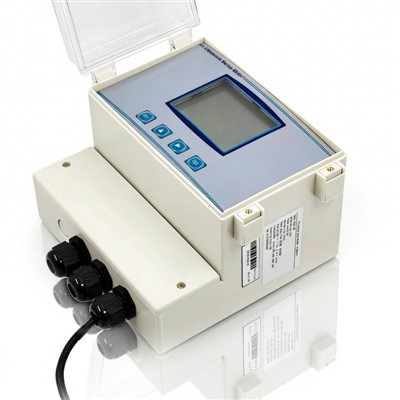
At the end of the day, variable-area flowmeters are simple in concept, but picking the wrong brand can ruin your whole process. I’ve been in this game long enough to know that the brands I listed here are the ones that show up consistently, don’t have hidden defects, and have backup support if you need it. If you’re looking to upgrade your current rotameter or buy a new one for your line, don’t waste time guessing. Reach out to talk through your requirements, and we can get you the right setup.
Wireless Digital Dynamometer References
- "Flow Measurement Engineering Handbook," Richard W. Miller, McGraw-Hill, 2018.
- "Variable Area Flowmeters: Selection and Application Guide," Omega Engineering Technical Documentation, 2022.
- "Industrial Flow Measurement: A Practical Guide," ABB Process Automation, 2021.
- "Rotameter Fundamentals," Brooks Instrument Application Note, 2020.
- "Compliant Flow Measurement for Pharmaceutical Applications," Key Instruments Whitepaper, 2019.
Dalian Yheng Technology Co., Ltd.
Dalian Yheng Technology Co., Ltd. is one of the leading variable-area flowmeter manufacturers and suppliers in China, also supports customized service. We warmly welcome you to buy high quality variable-area flowmeter in stock here from our factory. Contact us for more details.
Address: F1605, NO.10 Huoju road, High-tech Industrial Zone, Dalian, China
E-mail: admin@dlyheng.com
WebSite: https://www.yhengphmeter.com/
