If you’ve ever stepped into a solar farm on a scorching day, held up a phone screen that stays clear and scratch-resistant, or walked past a modern skyscraper with glass that cools the building more efficiently than the AC, you’ve seen the end result of glass engineering services. I’ve been running my own small glass engineering outfit for about seven years now, and let me tell you—this industry moves faster than a smartphone refresh cycle. It’s not just about cutting panes to fit a window frame anymore; we’re following a dozen unspoken, fast-shifting market trends that shape every project we take on. Today, I wanna break down what those trends are, how they’re changing what we do, and why they matter if you’re a manufacturer, builder, or anyone who needs glass solutions right now. Glass Engineering Services
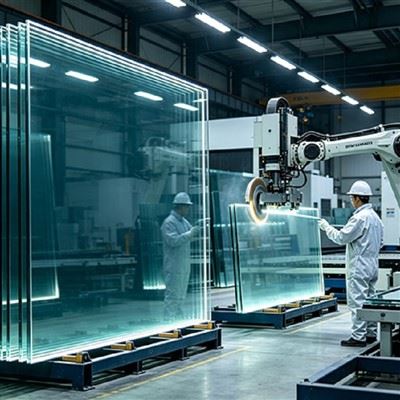
First off, let’s cut to the big one: the push for glass that’s way more energy-efficient. A few years back, we sold double-paned glass like it was the gold standard. Now? Everyone’s asking about low-E coatings, gas fills, and dynamic glazing that changes how much light it lets through, automatically. I remember last quarter, a commercial developer hit us up for a 20-story office building—they didn’t just want glass that kept heat out. They wanted glass that adjusted tint when the sun hit, so they could cut their HVAC costs by almost 30%. That’s not a pipe dream. Data from the last national energy report shows that commercial buildings use 35% of the total energy in the U.S., and 25% of that goes through windows. So it’s no surprise that energy-efficient glass isn’t just a trend—it’s become table stakes. We’re investing more time in training our team to install these specialized coatings, too, because if a dynamic glazing pane is installed wrong, it stops working. No one wants to shell out extra cash for fancy glass just to have it mess up because of a quick, unqualified installer.
Speaking of technology, the next trend is smart glass integration. This isn’t just the tinting stuff anymore—we’re talking glass that can act as a touchscreen, display real-time energy usage, or even switch from transparent to opaque at the flip of a switch, no blinds required. A few months back, a tech startup rented a small office space and asked us to put in glass walls that could turn opaque during team meetings, so they didn’t have to soundproof the room. We had to work with their IT team to wire the glass to their building’s smart system, which was a new skill for us. But here’s the thing: more and more clients aren’t seeing glass as a building material—they’re seeing it as a tech component. Residential clients are asking for it too, actually. Last month, a homeowner in Austin wanted a glass patio wall that could display their kid’s art project on the side when they’re hosting parties. It’s wild how far glass has come from just keeping the rain out. And because of that, we’ve started partnering with small tech firms to make sure we’re up to speed on the latest smart glass gadgets, not just the old-school engineering stuff.
Another trend we’re following is sustainability in every step, not just the end product. A few years ago, “green glass” was just glass made with recycled content. Now? Clients are asking about the whole lifecycle of the glass—from how it’s manufactured, to how it’s shipped, to what happens to it at the end of its life. We recently started working with a supplier that uses 100% recycled glass in their production, and they cut their carbon emissions by 40% compared to standard glass. But it’s not just about materials. We’re also offering take-back programs for old glass panels from renovation projects. A lot of contractors used to just throw old glass in landfills, but now we’ll pick up those panes, grind them down, and send them back to our glass supplier to be melted into new ones. It’s a small step, but clients love that we’re not just selling them glass—we’re helping their projects hit their own sustainability goals. I can’t tell you how many times a client has said, “If you can’t show me you’re working on lowering your carbon footprint, I’ll go with another vendor.” That wasn’t the case five years ago, so it’s a big shift.
Then there’s the demand for customization that’s not just decorative. Before, if someone wanted a patterned glass pane, it was just for looks. Now, we’re making custom glass that’s engineered for specific use cases. For example, a manufacturing plant needed glass that could handle 10x more impact than standard glass, but also needed it to have a frosted pattern that masked expensive machinery inside. We didn’t just pick a pre-made frosted pane and add impact resistance—we worked with the client to custom-engineer the pattern so it didn’t weaken the glass’s structural integrity. That’s a big change from when we’d just source off-the-shelf panes. Clients are willing to pay more for glass that’s built exactly for their needs, not one-size-fits-all. It keeps us on our toes, but it’s way more interesting than just cutting the same pane every day.
We’re also seeing a huge uptick in demand for glass for EV and renewable energy projects. That’s a trend I never thought I’d be part of, honestly. A couple years back, we did some glass for a wind turbine facility—they needed glass panels for the control rooms that could handle high winds and temperature swings. Now, we’re doing work for solar farm manufacturers, too. Solar panels use glass as a top layer, and they’re always looking for thinner, more durable glass that lets more sunlight through. We’ve had to learn a whole new set of engineering specs for these projects—things like anti-reflective coatings and scratch-resistant surfaces that can hold up in remote, dusty locations. Even electric vehicle manufacturers are asking for glass: we recently supplied curved glass for EV windshields that’s lighter than standard glass, which helps boost the car’s range. It’s cool that our little shop is getting into industries we never thought we’d touch, and that trend’s only growing as more people shift to renewable energy.
Wait, let’s not forget about the backlash against cheap, low-quality glass. A few years ago, a lot of contractors would go for the cheapest glass they could find, even if it had defects or didn’t meet safety codes. Now, more and more projects—especially commercial ones—are requiring third-party testing for glass. Clients don’t want to deal with cracked panes a year after installation, or energy bills that are way higher than expected. We’ve noticed that we’re winning more bids because we offer tested, certified glass, not just the cheapest option. That’s a huge shift. We even have a couple of in-house testing tools now, so we can show clients that their glass meets all safety and performance standards before we even install it. It’s an extra cost, but it’s worth it to build trust with clients. No one wants to be the guy who sold someone a faulty glass pane that caused a problem, so we’re leaning into quality over speed or cost.
Another smaller but noticeable trend: demand for lightweight glass. Whether it’s for skyscrapers, EVs, or portable outdoor structures, everyone wants glass that’s strong but light. Heavy glass means more shipping costs, more structural load on buildings, and more wear and tear on installation equipment. We’ve started working with glass manufacturers that make ultra-thin, high-strength glass—like 6mm thick instead of the standard 10mm, but just as durable. Last year, we did a project for a chain of outdoor retail stores, and they used this lightweight glass for display windows. It cut the installation time in half because the crew didn’t have to use heavy-duty lifting equipment, and it saved the store 15% on their shipping costs. It’s a small detail, but clients love those kinds of savings. Plus, it’s better for the environment—less material used means less waste.
Now, let’s talk about the challenges that come with these trends. For one thing, all this new tech and specialization means we have to keep training our team constantly. A few months back, we had to send three installers to a week-long course on smart glass installation, which cost us a pretty penny. But if we didn’t, we’d lose clients who know they need skilled people for these new projects. Also, supply chains are still weird—specialized glass coatings or smart glass components can take 4-6 weeks to get, instead of the standard 2 weeks. We’ve had to adjust our project timelines a lot, and we now have a waiting list for some of these custom projects. But that’s a good problem to have, right? It means the demand is there, we just have to keep up.
Here’s the thing I always tell my team: we don’t follow these trends just because they’re popular. We follow them because they make sense for our clients and for the long-term health of the industry. No one wants to use glass that’s bad for the planet, or that costs more in the long run because it’s inefficient, or that doesn’t meet their specific needs. As someone who’s been in this game for a while, I can tell you that the old days of glass being a simple commodity are gone. It’s now a mix of engineering, tech, sustainability, and customization.
If you’re a contractor, a building owner, a renewable energy firm, or anyone who needs glass solutions that aren’t off-the-shelf, we’re here to help. We’ve got the experience, the certifications, and the partnerships to handle whatever project you’ve got—whether it’s a 100-story skyscraper, a solar farm, a small office, or even a residential upgrade. We can walk you through the best options for your needs, not just what’s cheapest. If you’re ready to chat about your project, reach out to our team to connect for sourcing and project talks. We’re always excited to work with new clients, and we can’t wait to help you figure out what glass solutions fit your goals.
References
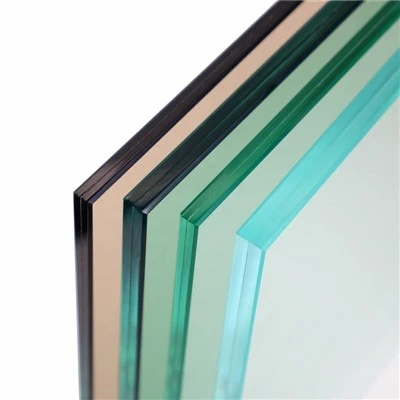
Flat Laminated Glass Global Wind Energy Council. (2023). Global Wind Report. International Energy Agency. (2024). Global Status of Commercial Buildings and Energy Efficiency. National Renewable Energy Laboratory. (2023). Advanced Glass Technologies for Solar Photovoltaics. U.S. Department of Energy. (2022). Energy Efficient Window Coatings Market Report.
Suzhou Dingcheng Tempered Glass Co., Ltd.
As one of the most professional glass engineering services suppliers in China, we also support customized service. We warmly welcome you to wholesale high quality architectural glass made in China here from our factory. If you have any enquiry about free sample, please feel free to email us.
Address: No.777 Limin North Road, Lili Town, Wujiang District, Suzhou City, Jiangsu Province
E-mail: Dingchengglass@163.com
WebSite: https://www.dingchengglass.com/
