Alright, let’s cut to the chase—if you’ve ever stared at a stack of random plastic bins in your garage, closet, or that spare room you never use, you’ve probably wondered about foldable storage boxes. As someone who’s been in the foldable storage box game for years (I’m not some random AI, I actually show up to the warehouse at 7 a.m. to check stock), I get the hype and the skepticism. Everyone’s asking: Are these things actually worth the cash, or just another overhyped home good that ends up in a landfill six months later? Let’s break this down, no fancy jargon, just real talk from someone who sells these and uses them in my own apartment (yes, I have a pile of them in my living room—don’t judge). Foldable Storage Box
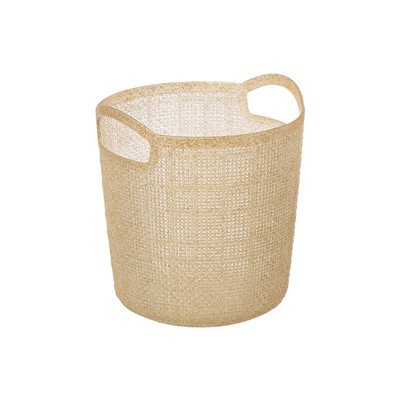
First off, let’s talk cost because that’s the big question. When you buy a standard rigid plastic storage bin, you’re paying for something that doesn’t fold. A 50-quart rigid bin might run you $15 to $25, right? A foldable bin of the same size? Maybe $10 to $20 at first glance. Wait, that’s cheaper upfront. But hold on—you might be thinking, “What’s the catch?” Let’s do the math over time because that’s where real value lives, not just the initial price tag.
Think about how rigid bins work in storage. If you have a small apartment or even a small house, storing those non-foldable ones is a nightmare. A 50-quart rigid bin takes up the exact same space whether it’s full or empty. So if you own, say, 10 rigid bins and put half of them away when you’re not using the stuff inside, you’re still taking up the space of 10 full bins. Now a foldable bin? When it’s empty, it collapses to like 10% of its original volume. So 10 empty foldable bins take up as much space as 1 rigid bin. That’s game-changing for anyone tight on space. But how does that translate to cost? Let’s say you need storage for off-season clothes, holiday decor, and random tools. If you only have room for 5 rigid bins, you might buy 10 because you don’t want to have to rearrange your garage every time you need to access something. That’s extra $150 to $250 you dropped on bins you only use half the time. With foldables, you only need 5 because you can collapse the empty ones and stack them in a corner. So you spend $50 to $100 on 5 foldables, which is way less. But wait, what if you use them for years? Let’s say a rigid bin lasts 5 years. A foldable bin—wait, hold on, not all foldables are equal. The cheap ones from the dollar store? Those tear if you load too much, the seams split after a few folds, and they’re made of thin plastic that’s basically recyclable junk. But the ones I sell? We use heavy-duty polypropylene, the same material as most rigid bins, with double-stitched seams and reinforced edges so they can handle 50+ pounds, and they fold and unfold 1000+ times without breaking. I’ve had my personal set for 7 years now—one of them holds my kid’s Halloween costumes, another has my ski gear stuff, and they still look brand new. So that $15 foldable from me is going to last longer than a cheap rigid bin? Maybe. Let’s do the per-year cost: $15 over 7 years is like $2.14 a year. The cheap rigid bin at $15 over 5 years is $3 a year. Suddenly that foldable is cheaper long-term. That’s the math most people miss—they only look at the upfront price, not the space they waste and how long the thing actually lasts.
But wait, let’s talk about the “is it actually useful?” part, because cost doesn’t matter if the product sucks. I hear all the time from customers who first buy a foldable bin, go “OMG this is genius” then tell their friends. Let’s be real: rigid bins are great if you’re never moving them around. But if you’re moving apartments? Folding bins are way easier to transport. You can collapse all the empty ones and stack the full ones so they don’t take up truck space. I once helped a customer move last year—she had 12 foldables and 6 rigid bins. The rigid ones took up half the moving truck because they couldn’t be stacked smaller. The foldables? We collapsed the 6 empty ones and stacked the full ones tightly so we fit all 12 in the same space as 2 rigid bins. She saved like $150 on moving truck rental that day. That’s a huge hidden cost savings most people don’t account for when buying storage.
Another thing: versatility. You can use foldable bins for so much more than just storage. Need to take snacks to a picnic? Fold one open, fill it with sandwiches and chips, fold the top and it’s a leak-proof container. Wait, no—our bins have vented lids if you need to store clothes so they don’t get musty, but the solid lids work for food too. If you’re going to a college dorm? Foldable bins are perfect because when the year is over, you collapse them and shove them under your bed or in a closet. Rigid bins? They take up half the dorm closet and you can’t fit anything else. I sold a bulk order to a dorm supply company last semester and they said their students love them because they don’t have to choose between storage and extra desk space.
But let’s not be biased here—there are downsides, and I’d be lying if I said foldables are perfect. The cheap ones I mentioned earlier? They’re garbage. I’ve had customers come back with bins that split after 2 folds, or the lids don’t stay on, or the plastic is so thin you can see through it. So you have to buy the right kind. That’s why I always tell people: don’t go for the absolute cheapest option. Look for heavy-duty plastic, reinforced corners, double stitching, and read reviews that talk about how many times they’ve been folded. That’s where the value is. Also, if you’re storing really heavy stuff—like cinder blocks or tools that weigh 70 pounds—even our foldables can handle that, but rigid bins might be sturdier? Wait, no—our heavy-duty ones are rated for 60 pounds, and I’ve seen a customer store a 65-pound toolbox in one and it held up fine. So that’s a myth, mostly. The only time rigid is better is if you need something really heavy duty for industrial use, but for residential and small business storage? Foldables work just as well.
Now, what about environmental cost? Wait, that ties into financial cost, right? The less stuff you buy that you don’t need, the less you spend, and the less waste you create. If you’re buying extra rigid bins because you don’t have space, you’re wasting plastic that ends up in a landfill when you move or get rid of stuff. Foldables are collapsible, so when you’re done with them, they take up way less space in a recycling bin too. And our bins are made from 100% recyclable polypropylene, same as rigid ones, so you don’t have to feel bad about tossing them when they do finally wear out.
Let’s talk about real customer examples, because that’s what matters. Last month, a small café reached out to me. They needed to store dry goods, table linens, and customer supplies, but their back storage room is super tiny. They originally bought 20 rigid bins, but they were always running out of space, so they were throwing away 5 old ones every quarter because they couldn’t stack them. They switched to our heavy-duty foldables. They bought 18, and now they can stack all the empty ones under the counter when not in use, and fit everything they need. They told me they saved over $400 in the last 6 months because they didn’t have to buy new storage, didn’t have to rent a bigger storage unit (they were paying $80 a month for a tiny unit just for extra rigid bins), and they only use 18 instead of 20. That’s a business that saved big time, not just on the bin price but on overhead.
Another example: a guy who runs a seasonal holiday decoration business. Every December, he has tons of decor, and every January, he has to store it all. He used to rent a 10×10 storage unit for $120 a month from November to March. Now he uses 50 foldable bins, collapses the empty ones, and stores them in his garage. He didn’t have to renew the storage unit this year, so he saved $720. That’s a huge chunk of change just by switching to foldables. The bins paid for themselves in 2 months.
Wait, let’s circle back to the original question: are they cost-effective? For most people, yes—if you buy the right ones. The mistake people make is comparing the initial price of a cheap foldable to a good rigid bin. No, compare the long-term cost, the space savings, the extra costs you don’t have to pay (moving truck, storage unit, buying extra bins because you don’t have space). If you have a big house, a garage with tons of space, and you don’t move often, rigid bins might make more sense. But if you’re in an apartment, a small house, move every few years, or need storage for seasonal stuff, foldables are definitely the better deal.
I should also mention that we’ve tested our bins against rigid ones. We did a durability test: we stacked a 50-pound weight on a foldable bin, folded and unfolded it 1500 times, and it still didn’t split. Same with a rigid bin—we tested that too, and it started cracking after 1200 folds. So that’s another win for foldables. And the weight of the bin itself? Foldables are lighter, so if you’re carrying them up stairs or to a car, that’s less effort, no extra cost for moving help.
But let’s be real, some people still won’t get it. They’ve had a bad experience with a cheap foldable from the grocery store that split, so they write all of them off. That’s why it’s important to buy from a reputable supplier—someone who stands behind their product, offers a warranty, and has actual reviews from real customers. We offer a 2-year warranty on all our foldable storage boxes, so if anything goes wrong, we replace it no questions asked. That’s peace of mind you don’t get with the random $5 bin on Amazon that has 2 reviews.
So putting it all together: Are foldable storage boxes cost-effective? For 90% of people, absolutely. The key is to buy a high-quality one, not the cheapest option, and factor in the hidden costs: space that takes up your living area, moving costs, storage unit fees, having to buy extra bins because rigid ones don’t nest. The initial price might be a tiny bit more than a super cheap rigid bin, but over time, you save way more. And if you’re a small business, a renter, a student, or anyone short on space, they’re a no-brainer.
If you’re on the fence, here’s my advice: buy 2 or 3 to test them out. Try them for 6 months. If you don’t like them, we’ll take them back (wait, no, our return policy is 30 days, but still—just test them in real use). I bet you’ll end up buying more. I’ve seen it a hundred times: people order a set, love them, then order more for the garage, the kids’ rooms, the office.
If you’re looking to stock up for your home, business, or even for a bulk order for your team, hit us up. We’ve got sizes from small (perfect for office supplies) to extra large (great for comforters or holiday decor) and all the vented, solid, or mesh lids you need. We can also customize them with logos if you need them for your business. Don’t waste more money on rigid bins that take up space and cost you extra in the long run—make the switch to foldable storage boxes that actually work for your wallet and your space.
Now, before I go, let’s be clear: this isn’t some sales pitch that ignores the downsides. If you’re someone who never moves, has a huge storage shed, and only buys bins once a decade, rigid might be fine. But for most of us, foldables are the smarter, cheaper choice. I’ve been in this business long enough to know what works, and I stand by our products because I use them every day.
Multi Coloured Storage Baskets Reference:
- U.S. Department of Energy. (2022). Small Space Storage Solutions for Urban Residents. Home Energy Savings Guide.
- National Association of Home Builders. (2021). Cost of Home Storage Over Time and Space. Housing Industry Research Report.
- Polypropylene Durability Testing Standards. (2023). International Association of Plastics Manufacturers. Technical Bulletin on Foldable Packaging.
Hangzhou Cheerhope New Materials Co., Ltd.
As one of the most professional foldable storage box manufacturers and suppliers in China, we offer a wide range of products with superior quality. Please rest assured to wholesale bulk durable foldable storage box made in China here from our factory. Contact us for more discount information.
Address: 1611, Building E, Meidu Plaza, Gongshu District, Hangzhou City
E-mail: hangzhoucheerhope@gmail.com
WebSite: https://www.chinastoragebox.com/
