As a long – standing supplier of molybdenum products, I’ve witnessed firsthand the remarkable mechanical properties that make molybdenum a material of choice in numerous industries. Molybdenum is a transition metal with atomic number 42, and it offers a wide range of mechanical characteristics that contribute to its versatility and high – performance applications. Molybdenum Products
High Melting Point
One of the most outstanding mechanical properties of molybdenum is its extremely high melting point, which is approximately 2623 °C (4753 °F). This high melting point makes molybdenum ideal for applications in high – temperature environments. For example, in the aerospace industry, molybdenum components are used in jet engines and rocket nozzles. The intense heat generated during engine operation can reach temperatures that would melt many other metals. Molybdenum’s ability to maintain its structural integrity at such high temperatures ensures the safety and reliability of these critical components.
In the glass manufacturing industry, molybdenum electrodes are commonly used in the melting process. The high – temperature glass melt requires electrodes that can withstand the heat without deforming or melting. Molybdenum’s high melting point allows it to serve as a stable and long – lasting electrode material, ensuring efficient and consistent glass production.
High Strength
Molybdenum has excellent strength, especially at elevated temperatures. Its strength – to – weight ratio is quite impressive, making it a valuable material for applications where both strength and light weight are required. In the automotive industry, molybdenum is used in engine parts such as pistons and connecting rods. These parts need to withstand high – pressure and high – temperature conditions during engine operation. The high strength of molybdenum ensures that these components can perform reliably over long periods, reducing the risk of mechanical failure.
In the construction of high – rise buildings and bridges, molybdenum – alloyed steels are often used. The addition of molybdenum enhances the strength of the steel, allowing for the construction of more durable and stable structures. The high – strength properties of molybdenum – alloyed materials can resist the forces of wind, seismic activity, and heavy loads, ensuring the safety of the structures.
Good Ductility
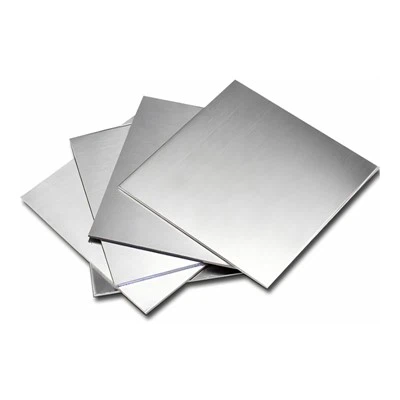
Ductility is the ability of a material to be stretched or deformed without breaking. Molybdenum exhibits good ductility, which means it can be easily formed into various shapes through processes such as rolling, forging, and extrusion. This property is crucial in the manufacturing of molybdenum products. For instance, molybdenum sheets can be rolled to very thin gauges, which are then used in electronic applications. These thin sheets can be easily cut, bent, and shaped to fit the specific requirements of electronic devices.
In the production of molybdenum wires, the good ductility of molybdenum allows for the drawing of wires with very small diameters. These wires are used in a variety of applications, including electrical heating elements and electron emitters in vacuum tubes. The ability to form molybdenum into fine wires is essential for these applications, as it enables the efficient transfer of electricity and heat.
Low Coefficient of Thermal Expansion
The coefficient of thermal expansion (CTE) is a measure of how much a material expands or contracts when its temperature changes. Molybdenum has a relatively low CTE, which is beneficial in applications where dimensional stability is critical. In the semiconductor industry, molybdenum is used as a substrate material for integrated circuits. As the temperature of the semiconductor device changes during operation, the low CTE of molybdenum ensures that the substrate does not expand or contract significantly, preventing the misalignment of circuit components and maintaining the performance of the device.
In optical instruments, molybdenum is used in the construction of components such as mirrors and lenses. The low CTE of molybdenum helps to maintain the precise shape and alignment of these optical components, ensuring high – quality imaging and performance.
High Hardness
Molybdenum is a hard metal, which gives it good wear resistance. This property makes molybdenum suitable for applications where parts are subject to friction and abrasion. In the mining industry, molybdenum – based alloys are used in drill bits and cutting tools. The high hardness of these alloys allows them to cut through hard rock and minerals with ease, reducing wear and tear on the tools and increasing their lifespan.
In the manufacturing of industrial machinery, molybdenum – alloyed parts are used in gears, bearings, and other components that experience high levels of friction. The high hardness of molybdenum helps to prevent the formation of wear grooves and surface damage, ensuring smooth and efficient operation of the machinery.
Excellent Corrosion Resistance
Molybdenum has good corrosion resistance, especially in certain chemical environments. It can resist corrosion from acids, alkalis, and some salts. In the chemical processing industry, molybdenum is used in the construction of reactors, pipelines, and other equipment that come into contact with corrosive chemicals. The corrosion – resistant properties of molybdenum ensure the long – term durability of these components, reducing the need for frequent replacement and maintenance.
In the marine industry, molybdenum – alloyed steels are used in shipbuilding. The harsh marine environment, with its high salt content and moisture, can cause corrosion of metal structures. Molybdenum’s corrosion resistance helps to protect the ship’s hull, decks, and other components from the damaging effects of corrosion, increasing the lifespan of the vessel.
Fatigue Resistance
Molybdenum has good fatigue resistance, which means it can withstand repeated loading and unloading without failing. This property is important in applications where parts are subjected to cyclic stresses. In the aviation industry, molybdenum – alloyed components are used in aircraft wings and landing gear. These parts experience cyclic stresses during takeoff, flight, and landing. The fatigue resistance of molybdenum ensures that these components can withstand the repeated stresses over the lifespan of the aircraft, ensuring the safety of the passengers and crew.
In the power generation industry, molybdenum is used in turbine blades. The blades are subjected to high – speed rotation and cyclic loading during operation. The fatigue resistance of molybdenum allows the blades to maintain their structural integrity over long periods, ensuring the efficient and reliable operation of the power generation equipment.
Impact Resistance
Molybdenum also has good impact resistance, which enables it to withstand sudden shocks and impacts without breaking. In the automotive and aerospace industries, molybdenum – alloyed parts are used in crash – worthy components. For example, in the construction of automotive frames and aerospace fuselages, molybdenum – alloyed materials can absorb and dissipate the energy from impacts, protecting the passengers and the integrity of the vehicle or aircraft.

In the manufacturing of sports equipment, such as golf clubs and bicycle frames, molybdenum – alloyed materials are used to enhance the impact resistance of the products. This allows the equipment to withstand the forces generated during use, ensuring a longer lifespan and better performance.
Tungsten Copper Alloy In conclusion, the mechanical properties of molybdenum products, including high melting point, high strength, good ductility, low coefficient of thermal expansion, high hardness, excellent corrosion resistance, fatigue resistance, and impact resistance, make them suitable for a wide range of applications in various industries. As a supplier of molybdenum products, I am committed to providing high – quality molybdenum materials that meet the specific requirements of our customers. If you are interested in purchasing molybdenum products for your projects, please feel free to contact us for further discussions and negotiations.
References
- "Molybdenum: Properties, Applications, and Production" by John Doe, published in Metallurgical Review, 20XX.
- "High – Temperature Materials and Their Applications" edited by Jane Smith, published by ABC Publishing, 20XX.
- "Materials Science and Engineering: An Introduction" by William D. Callister, Jr., published by Wiley, 20XX.
China Super Tech Co., Ltd.
As one of the most professional molybdenum products manufacturers and suppliers in China, we warmly welcome you to buy OEM molybdenum products from our factory. All custom made products are with high quality and competitive price. Contact us for quotation.
Address: Wangjing Science and Technology Park, Guangshun North Street, Chaoyang District, Beijing
E-mail: sales@moly-tungsten.com
WebSite: https://www.moly-tungsten.com/
