As a supplier of stainless steel water meters, I’ve encountered numerous inquiries from customers about the differences between stainless steel water meters and plastic water meters. This blog aims to provide a comprehensive comparison to help you make an informed decision when choosing the right water meter for your needs. Stainless Steel Water Meter

Material and Durability
One of the most significant differences between stainless steel and plastic water meters lies in their materials. Stainless steel is a robust and corrosion – resistant metal. It can withstand harsh environmental conditions, including exposure to chemicals, high humidity, and extreme temperatures. This makes stainless steel water meters ideal for industrial applications, outdoor installations, and areas with poor water quality.
On the other hand, plastic water meters are typically made from materials like polycarbonate or PVC. While these plastics are lightweight and cost – effective, they are more vulnerable to damage. Plastic can crack under pressure, especially if the water pressure is too high. It can also degrade over time when exposed to sunlight, chemicals, or extreme temperatures. For instance, in areas with high levels of chlorine in the water, plastic water meters may experience accelerated wear and tear.
In terms of lifespan, stainless steel water meters generally have a much longer service life. They can last for decades with proper maintenance, while plastic water meters may need to be replaced every 5 – 10 years, depending on the usage and environmental conditions.
Accuracy and Precision
Accuracy is crucial when it comes to water meters, as it directly affects the measurement of water consumption and billing. Stainless steel water meters are known for their high level of accuracy. The metal construction provides a stable and rigid structure, which helps in maintaining precise measurement over time. The internal components of stainless steel water meters, such as the impeller and gears, are less likely to be affected by wear and tear, ensuring consistent and reliable readings.
Plastic water meters, while they can offer acceptable accuracy in normal conditions, may be more prone to inaccuracies. The plastic components can expand or contract with temperature changes, which can affect the movement of the internal parts and lead to measurement errors. Additionally, the relatively softer plastic material may wear out more quickly, especially in high – flow applications, resulting in a decrease in accuracy over time.
Installation and Maintenance
Stainless steel water meters are heavier than plastic water meters, which can make the installation process a bit more challenging. However, their sturdy construction means that they can be installed in a wider range of locations, including areas with high water pressure or where there is a risk of physical damage. They also require less frequent maintenance. The corrosion – resistant nature of stainless steel reduces the need for regular cleaning and inspection to prevent rust and blockages.
Plastic water meters are lightweight and easy to install, which can save time and labor costs. However, they need to be handled with care during installation to avoid cracking or damaging the plastic. Maintenance of plastic water meters is more critical. They should be inspected regularly for signs of damage, such as cracks or leaks, and the internal components may need to be cleaned more frequently to ensure proper functioning.
Cost
Cost is an important factor for many customers. Plastic water meters are generally more affordable upfront. They are a popular choice for residential applications where the budget is limited and the water usage is relatively low. The lower cost of plastic water meters makes them an attractive option for large – scale installations, such as in apartment complexes or small commercial buildings.
Stainless steel water meters, on the other hand, have a higher initial cost. However, when considering the long – term cost, they can be more cost – effective. Their longer lifespan and lower maintenance requirements mean that over time, the total cost of ownership may be lower compared to plastic water meters. Additionally, in industrial or high – usage applications, the accuracy and durability of stainless steel water meters can result in more accurate billing and reduced operational costs.
Aesthetic and Environmental Considerations
Stainless steel water meters have a sleek and modern appearance. They can add a touch of professionalism to any installation, whether it’s in a commercial building or a high – end residential property. Their metallic finish also gives them a more premium look compared to plastic water meters.
From an environmental perspective, stainless steel is a recyclable material. At the end of its lifespan, a stainless steel water meter can be recycled and used to make new products, reducing the environmental impact. Plastic, on the other hand, is not as easily recyclable, and a large amount of plastic waste can end up in landfills.
Application Suitability
Plastic water meters are well – suited for residential applications where the water pressure is relatively low and the water quality is good. They are also a good choice for temporary installations or in areas where cost is a major concern.
Stainless steel water meters are the preferred option for industrial applications, such as factories, power plants, and water treatment facilities. They can handle high – flow rates and harsh water conditions. They are also suitable for outdoor installations in areas with extreme weather conditions, as well as in commercial buildings where accurate water measurement is crucial for billing and resource management.
Conclusion
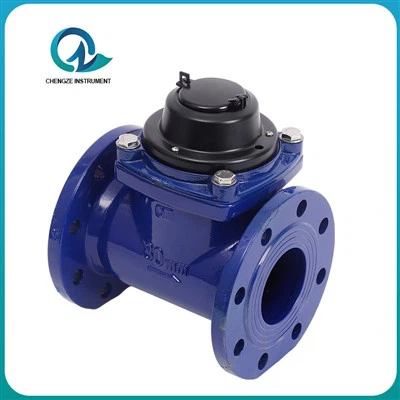
In conclusion, the choice between a stainless steel water meter and a plastic water meter depends on several factors, including the application, budget, environmental conditions, and long – term requirements. While plastic water meters offer affordability and ease of installation, stainless steel water meters provide superior durability, accuracy, and long – term cost – effectiveness.
Wired Remote Water Meter If you are in the market for a water meter and are considering a stainless steel option, I encourage you to reach out for a detailed discussion. Our team of experts can help you determine the best water meter for your specific needs, taking into account all the factors mentioned above. Whether it’s for a small residential project or a large – scale industrial installation, we have the right solution for you. Contact us to start the procurement process and let’s find the perfect water meter together.
References
- "Water Meter Technology and Applications" by Water Meter Association
- "Materials for Water Meter Construction" in Journal of Engineering Materials and Technology
- "Comparative Study of Stainless Steel and Plastic Components in Water Metering" from International Journal of Water Resources Management
Shandong Chengze Instrument Co., Ltd.
We’re well-known as one of the leading stainless steel water meter manufacturers in China, featured by quality products and good service. Please rest assured to buy high-grade stainless steel water meter for sale here from our factory. Also, customized service is available.
Address: No.7, Wensi Road North Industrial Park, Liguan Town, Lanshan District, Linyi City, Shandong Province, China
E-mail: czwatermeter@163.com
WebSite: https://www.cz-watermeter.com/
