Hey there! As a supplier of disc brake calipers, I’ve seen firsthand how important it is to store these components properly. A disc brake caliper is a crucial part of a vehicle’s braking system, and if it’s not stored right, it can lead to all sorts of problems down the road. So, let’s dive into the best way to store a disc brake caliper. Disc Brake Caliper
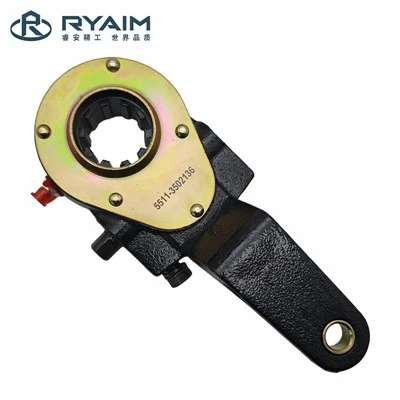
First off, why is proper storage so important? Well, disc brake calipers are made up of various parts, including pistons, seals, and brake pads. These parts are often made of materials that can be affected by the environment. For example, moisture can cause rust and corrosion, which can damage the caliper and reduce its effectiveness. Dirt and debris can also get into the caliper and cause wear and tear on the moving parts.
Now, let’s talk about the steps you should take to store a disc brake caliper correctly.
Step 1: Clean the Caliper
Before you store the caliper, you need to give it a good clean. Use a brake cleaner to remove any dirt, grease, or brake dust. This stuff can build up over time and cause problems if it’s left on the caliper. You can use a brush to clean hard-to-reach areas, like the piston bores. Make sure you get rid of all the debris, and then dry the caliper thoroughly. You don’t want any moisture left on it, as that can lead to rust.
Step 2: Protect the Seals and Pistons
The seals and pistons in the caliper are delicate. You need to make sure they’re protected during storage. One way to do this is to use a seal protector. These are usually made of rubber or plastic and can be placed over the pistons to prevent them from getting damaged. You can also apply a thin layer of brake grease to the seals. This will help keep them lubricated and prevent them from drying out.
Step 3: Choose the Right Storage Location
The storage location is key. You want to find a place that’s dry, cool, and clean. Avoid areas that are prone to moisture, like basements or garages that flood. A climate – controlled storage room is ideal. If you don’t have one, try to find a spot in your shop or warehouse that’s away from windows and doors, where it’s less likely to be exposed to the elements.
Step 4: Use a Storage Container
It’s a good idea to store the caliper in a container. This will protect it from dust and debris. You can use a plastic storage bin or a cardboard box. Make sure the container is big enough to hold the caliper without squeezing it. You can also add some padding, like bubble wrap or foam, to the container to prevent the caliper from moving around and getting damaged.
Step 5: Label the Container
Don’t forget to label the container. This will make it easy to find the caliper when you need it. You can write down details like the make, model, and part number of the caliper. This way, you won’t have to waste time searching through a bunch of containers to find what you’re looking for.
Step 6: Check on the Caliper Regularly
Even if you’ve stored the caliper properly, it’s a good idea to check on it every once in a while. Look for signs of rust, damage, or any other issues. If you notice anything wrong, you can take action right away to prevent further damage.
Now, let’s talk about some common mistakes to avoid when storing disc brake calipers.
Mistake 1: Storing in a Dirty Environment
As I mentioned earlier, dirt and debris can cause problems. If you store the caliper in a dirty place, it can get clogged with dust and dirt, which can affect its performance. Make sure the storage area is clean before you put the caliper in.
Mistake 2: Not Protecting the Pistons and Seals
The pistons and seals are the most vulnerable parts of the caliper. If they’re not protected, they can get damaged easily. Always use a seal protector and apply brake grease to keep them in good condition.
Mistake 3: Storing in a Humid Area
Moisture is the enemy of disc brake calipers. If you store the caliper in a humid area, it can rust and corrode quickly. Try to find a place with low humidity to store the caliper.
Mistake 4: Over – stacking Containers
If you stack too many containers on top of each other, it can put pressure on the caliper and cause damage. Make sure you stack the containers in a way that doesn’t put too much weight on the caliper.
In conclusion, storing a disc brake caliper properly is essential to maintain its quality and performance. By following these steps and avoiding common mistakes, you can ensure that your calipers are in good condition when you need them.
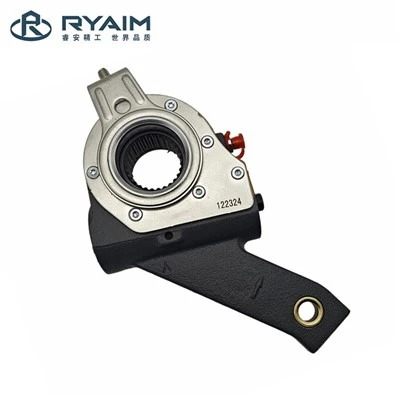
As a disc brake caliper supplier, we’re always here to help you with any questions you might have about our products, including storage tips. If you’re in the market for high – quality disc brake calipers, we’d love to talk to you. Whether you’re a mechanic, a car dealership, or someone who just wants to keep their vehicle in top shape, we’ve got the right calipers for you. Get in touch with us to discuss your requirements and start a purchase negotiation. We’re confident that you’ll be satisfied with our products and services.
Russia Truck Series Manual Slack Adjuster References
- Automotive Brake Handbook: Covers general information about disc brake systems and their components.
- Technical Bulletins from major brake manufacturers: Provide detailed storage and maintenance guidelines for disc brake calipers.
Zhejiang Ryaim Auto Parts
As one of the most professional disc brake caliper manufacturers and suppliers in China, we’re featured by quality products and good service. Please feel free to wholesale custom made disc brake caliper from our factory. Contact us for more details.
Address: No. 78, Yexiao Road, Yaojiang Town, Zhuji City, Zhejiang Province
E-mail: bd@zjryaim.com
WebSite: https://www.ryaimchina.com/
