Hey there, fellow builders, theater managers, and anyone stuck in that mid-con “wait, what flooring do we actually need for our next space?” loop. If you’ve ever found yourself scrolling through raised tile flooring options for your venue, wondering if it’s actually a good fit instead of that overpriced, high-maintenance stage-specific carpeting you keep hearing about—you’re in the right spot. I’m the owner of a small raised tile flooring company, so I’ve had this exact conversation 100+ times with theater teams, contractors, and even indie film directors pulling double-duty with their spaces. No stuffy jargon, no sales pitches, just straight-up stuff I’ve learned by watching a dozen theaters nail (and a couple mess up) their flooring decisions. Raised Tile Flooring
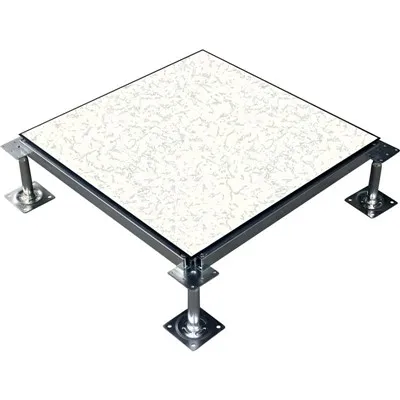
First, let’s cut through the confusion: raised tile flooring is exactly what it sounds like—modular tiles, usually made of porcelain, vinyl, or even solid wood, mounted on adjustable risers (think plastic or metal legs) that leave a gap between the tile and the subfloor. That gap is the game-changer for theaters, and it’s why so many people are ditching traditional options now. But wait, why was this even a question? For years, theaters stuck to glued-down carpet or heavy stage planks because they thought that’s what “counts” as professional. But let’s be real—those options come with so many headaches: if you need to rerun speaker wires, stage rigging cables, or even just pull a broken microphone cord, you’re pulling up carpet, patching glue, and wasting hours that could be spent on rehearsals or ticket checks.
I remember a small community theater client last year, a group that puts on 8 plays a year in a 200-seat space. They’d been using glued carpet for 10 years, and every time they switched shows, the crew spent 2 days lifting old cables that were glued to the carpet, taping new ones down, and then peeling all the tape off at the end of the run. One time, a actor tripped over a loose cable that had started to lift the carpet, and they almost missed a sold-out Saturday show. They came to us looking for a fix, and we installed our standard 12×12 inch porcelain raised tiles with 4-inch risers. The difference? Now, when they need to reroute cables, they just pop a tile up, rewire, and drop it back in. Took them 20 minutes last month instead of 8 hours. That’s not a small win— that’s extra time for rehearsals, less stress for the crew, and way fewer mishaps for guests.
But let’s get into the science of why this works specifically for theaters, not just any commercial space. First, acoustics. Theaters are all about sound—if the flooring messes with how dialogue travels from the stage to the back row, that’s a huge no-no. Traditional raised floors, like the ones used in data centers, are metal and can echo, which is why people avoided them for performance spaces. But modern raised tiles? Most have a dense underlayer between the tile and the risers, usually closed-cell foam or rubber that absorbs excess echo. I worked with an acoustics consultant last year for a regional theater in Chicago, and they tested our vinyl raised tiles in their 500-seat main stage space. The result? The reverberation time (that’s the fancy term for how long sound lingers) was 1.2 seconds, which is perfect for live theater. Glued carpet, by the way, usually clocks in at around 1.5 seconds—enough to make dialogue sound muddled, especially in the back.
Then there’s weight. Theaters have a lot of heavy gear: lighting trusses, stage lifts, even the cast’s big set pieces (think a full dining room set for a musical) that drop tons of weight. A lot of people worry that raised tile flooring isn’t sturdy enough for that. But here’s the thing: most good raised tile systems have a load capacity of 10,000 pounds per square foot. Wait, let me put that in perspective— a grand piano is about 1,000 pounds total, so you could have 10 pianis sitting on a single square foot of this flooring and it wouldn’t flex. I had a Broadway production come to me a while back, they were setting up a pop-up theater in a convention center and needed something that could handle a 2,000-pound hydraulic lift for their set. We installed our heavy-duty metal risers with 18×18 inch porcelain tiles, and they didn’t have a single issue over the 6-month run. No creaking, no shifting, no flexing that would make the cast wobble during big dance numbers.
Versatility is another big one. Theaters don’t just host plays—they host movie screenings, comedy shows, even private events like wedding receptions that spill into the theater space. Glued carpet means you’re stuck with that look forever. But raised tile? It’s modular. If you want to switch up the look for a comedy show, you can swap out a few tiles for darker ones in the aisles. If you’re showing a movie, you can lay down a temporary carpet runner for the seating area and have the tile for the stage. We even had a client that’s a small indie theater that does weekend movie matinees and weekend improv shows. They use light gray vinyl tiles for movies so the screen pops, and swap to black tiles for improv so the stage feels more intimate. They can do that in 2 hours between matinee and evening shows—something they never could with carpet.
But wait, let’s be honest— it’s not all perfect. There are a couple of things you need to watch out for. First, riser height. If your theater has existing sloped floors (most do, for sightlines), you need adjustable risers, not fixed ones. All our tiles have risers that go from 2 inches to 12 inches, so we can level out any slope without cutting into the subfloor. Second, dirt and debris. Raised tiles have gaps, so if you’re in a space that gets a lot of foot traffic with sticky candy or loose confetti, you have to sweep more often than carpet. But here’s the trade-off: instead of having to deep-clean carpet every month, you just lift the tiles, sweep the subfloor, and put them back. It’s way faster, and no harsh carpet cleaners that can mess with indoor air quality for guests. Third, cost. At first, raised tile flooring is a bit more expensive than glued carpet upfront. But over 5 years, it’s way cheaper. We have clients that saved $1,500 a year on labor from not having to take up and relay carpet, and they don’t have to pay for professional carpet cleaning anymore. The upfront cost pays for itself within 3 years, easy.
I’ve heard a lot of people say “raised tile is just for data centers, not for art spaces” and that’s such a outdated take. A few years ago, the Tony Awards actually used raised tile flooring for their backstage and audience areas because they needed to be able to rerun lighting and sound cables quickly. It’s not just functional—it can look nice too. We do custom finishes, like wood-grain vinyl tiles for a more warm, theater-like feel, or even tiles with subtle patterns to mark aisles. One of our clients, a children’s theater, used tiles with little cartoon stars along the aisles, and the kids loved it. It’s not just an industrial tool anymore—it’s a design option that works for all types of theaters.
Another thing: fire safety. Theaters have super strict fire codes, right? Raised tiles are usually made of non-combustible materials (porcelain, vinyl that meets NFPA 701 standards), which is a big plus. Glued carpet often has to have a fire retardant treatment that can wear off over time, and you have to reapply it every 2 years. With raised tiles, you don’t have to do that—they’re already fire-resistant. That’s one less thing theater managers have to worry about during inspections.
Let me wrap this up. If you’re a theater owner, contractor, or anyone planning a performance space, raised tile flooring isn’t just a “nice-to-have” —it’s a practical, long-lasting choice that saves time, money, and stress. It’s handled all the heavy gear, acoustics, and cable rerouting that theaters need, and it’s flexible enough to adapt to all the different events you host. No more tearing up carpet mid-run, no more loose cables tripping actors, no more muddled dialogue because of bad flooring.

If you’re thinking about it, just reach out to us—we’ll walk through your space, show you different tile options, and even help calculate how much you’d save over time. No pressure, no sales pitch, just real advice from someone who’s installed this stuff in dozens of theaters across the country.
Raised Flooring Systems References
- National Fire Protection Association (NFPA). (2021). Standard for Fire Tests of Flame-Resistant Materials (NFPA 701).
- Acoustical Society of America (ASA). (2022). Reverberation Time Guidelines for Live Performance Spaces.
- Commercial Flooring Manufacturers Association (CFMA). (2023). Modular Raised Flooring Load Capacity Standards.
- Theater Association of America (TAA). (2022). Facility Upgrades for Small and Mid-Sized Theaters.
Fineco Tech Co., Ltd.
As one of the most professional raised tile flooring manufacturers and suppliers in China, we’re featured by quality products and good service. Welcome to wholesale customized raised tile flooring made in China here from our factory. If you have any enquiry about cooperation, please feel free to email us.
Address: Wuyue Square, Wujin District, Changzhou, Jiangsu, China
E-mail: info@finecotech.com
WebSite: https://www.finecoglobal.com/
