Hey there! As a supplier of the Aluminum Silicate Series, I often get asked about the wear – resistant properties of these amazing materials. So, I thought I’d take some time to break it down for you in a way that’s easy to understand. Aluminum Silicate Series
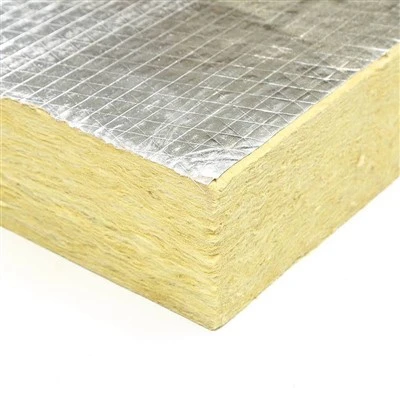
First off, let’s talk about what aluminum silicate is. It’s a compound made up of aluminum, silicon, and oxygen. There are different forms of it, like kaolin, which you’ve probably heard of, and other synthetic versions. These materials are used in a whole bunch of industries, from ceramics and refractories to paints and plastics.
When it comes to wear resistance, aluminum silicate really shines. One of the key reasons for its good wear – resistant properties is its crystal structure. The way the atoms in aluminum silicate are arranged creates a strong and stable lattice. This lattice can withstand a certain amount of mechanical stress without getting damaged easily. For instance, in ceramic applications, the aluminum silicate particles can act as a reinforcement. When a ceramic piece with aluminum silicate is subjected to rubbing or scraping, these particles help distribute the stress across the material. Instead of just one spot getting worn out quickly, the stress is spread out, which means the wear is more evenly distributed and the overall lifespan of the ceramic is extended.
Another factor contributing to its wear resistance is its hardness. Aluminum silicate has a relatively high Mohs hardness, which is a scale used to measure the scratch – resistance of minerals. A higher Mohs hardness means that the material is less likely to be scratched by other materials with lower hardness. Take for example the use of aluminum silicate in coatings. When you apply a coating containing aluminum silicate on a surface, it forms a hard, protective layer. This layer can resist abrasion from things like dirt, sand, or other rough particles. So, if you’re using a paint with aluminum silicate on the exterior of a building, it’ll be better able to withstand the wear and tear from the elements, including blowing sand and rain that might carry small abrasive particles.
Let me give you an example from a project we worked on. A client who makes industrial conveyor belts came to us. They were having problems with the belts wearing out too quickly due to the constant friction with the products they were carrying and the conveyor system itself. We recommended using a rubber compound that incorporated our aluminum silicate series. The aluminum silicate particles in the rubber increased its hardness and made it more resistant to abrasion. As a result, the lifespan of the conveyor belts increased significantly. They were able to save a lot of money on replacement costs, and their production process became more efficient since they didn’t have to stop the line as often for belt replacements.
Now, different types of aluminum silicate in our series have slightly different wear – resistant characteristics. For example, some of our synthetic aluminum silicates are designed to have even higher purity and a more uniform particle size. This can lead to better dispersion in a matrix material, like a polymer. When the particles are well – dispersed, they can provide more consistent wear resistance throughout the material. On the other hand, natural forms of aluminum silicate, like kaolin, have some unique properties. Kaolin has a plate – like structure, which can give it good lubricating properties in addition to wear resistance. In some applications, like in the production of brake pads, this combination of lubrication and wear resistance is really important. The kaolin helps reduce friction and wear between the brake pad and the rotor, while also providing the necessary strength to withstand the high – pressure braking forces.
In the plastics industry, aluminum silicate is often used as a filler. When added to plastics, it not only improves the wear resistance but also other mechanical properties like stiffness and dimensional stability. For example, in automotive interior parts, plastics with aluminum silicate fillers can resist the wear and tear from daily use, such as people getting in and out of the car, and the movement of objects on the surfaces. The aluminum silicate particles act as a barrier, preventing the plastic from being easily scratched or abraded.
We also get a lot of questions about how to optimize the wear – resistant properties of our aluminum silicate series in different applications. One thing to keep in mind is the particle size. Generally, smaller particle sizes can lead to better wear resistance in some cases. Smaller particles can fill in the gaps between the matrix material more effectively, creating a denser and more wear – resistant structure. However, it’s also important to consider the dispersion of the particles. If the particles aren’t well – dispersed, they can clump together, and this can actually reduce the wear – resistant properties. That’s why we offer different grades of our aluminum silicate series with various particle sizes and surface treatments to ensure good dispersion in different matrix materials.
Another aspect is the loading level. The amount of aluminum silicate you add to a material can affect its wear resistance. If you add too little, it might not have a significant impact on the wear properties. But if you add too much, it can lead to other issues like a decrease in flexibility or an increase in viscosity, which can make the material harder to process. So, finding the right balance is crucial, and we’re always here to help our clients figure out the optimal loading level for their specific applications.
In conclusion, the wear – resistant properties of our Aluminum Silicate Series are really impressive. Whether it’s in ceramics, coatings, plastics, or other industries, these materials can significantly improve the lifespan and performance of products by withstanding abrasion and mechanical stress. If you’re looking for a reliable way to enhance the wear resistance of your products, our Aluminum Silicate Series could be the perfect solution.
If you’re interested in learning more about our Aluminum Silicate Series or have a specific project in mind, don’t hesitate to reach out to us. We’d be more than happy to discuss your needs and find the best product for you. Just contact us for a friendly chat about how we can work together to make your products more wear – resistant and successful in the market.
Glass Wool Blanket References:
- Handbook of Advanced Ceramics: Materials, Applications, Processing, and Properties
- Journal of Materials Science and Engineering on studies related to aluminum silicate in wear – resistant applications
- Industrial Minerals and Their Uses for data on different forms of aluminum silicate
Langfang Aolesi Thermal Insulation Materials Co., Ltd.
As one of the most professional aluminum silicate products manufacturers and suppliers in China, we also support customized service. Please feel free to buy bulk high quality aluminum silicate products made in China here from our factory. For pricelist, contact us now.
Address: Dongwang Village, Dacheng County, Langfang City, Hebei Province
E-mail: Lfaolesibaowen@outlook.com
WebSite: https://www.lfaolesi.com/
