Hey there! As a supplier of pad-mounted transformers, I often get asked about the grounding requirements for these nifty pieces of equipment. So, I thought I’d take a few minutes to break it all down for you in a way that’s easy to understand. Pad Mounted Transformer
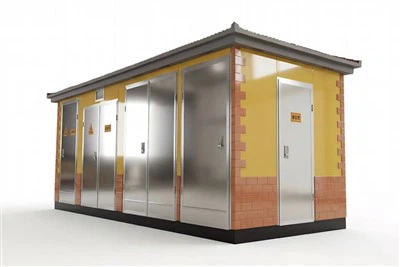
First off, let’s talk about why grounding is so important for pad-mounted transformers. Grounding serves several crucial functions. One of the main reasons is safety. When a transformer is properly grounded, it provides a path for electrical current to flow safely into the ground in the event of a fault, like a short – circuit. This helps prevent electrical shock to people who might come into contact with the transformer or its associated equipment. It also protects the transformer itself from damage that could be caused by excessive electrical currents.
Another important function of grounding is to maintain the stability of the electrical system. By providing a reference point for the electrical potential, grounding helps keep the voltage levels within acceptable limits. This is essential for the proper operation of the electrical devices that are connected to the transformer.
Now, let’s get into the nitty – gritty of the grounding requirements. The first step in grounding a pad – mounted transformer is to install a grounding electrode system. This typically consists of one or more grounding rods, which are driven into the ground near the transformer. The grounding rods are usually made of copper or galvanized steel and need to have a low resistance to the earth.
In most cases, the National Electrical Code (NEC) in the United States has specific requirements for the installation of grounding electrodes. For example, the NEC requires that the grounding electrode system have a resistance to the earth of 25 ohms or less. If the initial resistance is higher than this, additional grounding rods may need to be installed to bring the resistance down to an acceptable level.
The transformer itself also needs to be connected to the grounding electrode system. This is usually done using a grounding conductor, which is a wire that runs from the transformer to the grounding electrodes. The size of the grounding conductor is important, as it needs to be able to carry the fault current safely to the ground. The NEC provides guidelines on the minimum size of the grounding conductor based on the rating of the transformer.
In addition to the grounding electrode system and the connection to the transformer, the pad on which the transformer is mounted also needs to be grounded. This helps prevent static electricity from building up on the pad and reduces the risk of electrical shock. The pad can be grounded by connecting it to the same grounding electrode system as the transformer.
It’s also important to consider the coordination between the grounding of the transformer and the grounding of other electrical equipment in the system. For example, if there are other transformers, switchgears, or control panels in the vicinity, their grounding systems should be coordinated to ensure that they all work together effectively.
When it comes to testing the grounding system, it’s recommended to perform regular inspections and tests. A ground resistance test can be used to measure the resistance of the grounding electrode system. This test should be done periodically, especially after any significant changes to the grounding system, such as the addition of new equipment or the replacement of grounding rods.
Now, let’s talk a bit about the practical aspects of meeting these grounding requirements when installing a pad – mounted transformer. As a supplier, we always provide detailed installation instructions that include the grounding requirements. Our team of experts is also available to answer any questions you might have about the grounding process.
We understand that every installation is unique, and there are often site – specific factors that need to be taken into account. For example, the soil conditions at the installation site can have a big impact on the performance of the grounding electrode system. In areas with high – resistivity soil, special techniques may need to be used to achieve the required grounding resistance.
We’ve worked on a lot of projects over the years, and we’ve seen firsthand how important it is to get the grounding right. One time, we installed a pad – mounted transformer at a small industrial site. The initial ground resistance test showed that the resistance was much higher than the required 25 ohms. After some investigation, we found that the soil at the site was quite dry and had a high resistivity. We ended up installing additional grounding rods and using a grounding enhancement material to improve the conductivity of the soil. After these measures were taken, the ground resistance dropped to an acceptable level, and the transformer was able to operate safely and efficiently.
In conclusion, proper grounding is essential for the safe and reliable operation of pad – mounted transformers. By following the relevant codes and standards, and by taking into account the site – specific conditions, you can ensure that your transformer is properly grounded.

If you’re in the market for a pad – mounted transformer and want to learn more about our products and how we can help you meet the grounding requirements, don’t hesitate to reach out. We’re here to assist you with all your transformer needs, from selection to installation and beyond. Let’s have a chat about your project, and we can work together to find the best solution for you.
Pole Mounted Transformer References:
- National Electrical Code (NEC)
- IEEE Standards for Electrical Safety and Grounding
Jiangsu Yuantong Electric Co., Ltd.
As one of the most experienced pad mounted transformer manufacturers and suppliers in China, we also support customized service. Please rest assured to wholesale bulk high quality pad mounted transformer in stock here from our factory. Contact us for more details.
Address: No. 202, Qiaogang Road, Xicheng Subdistrict, Hai’an City
E-mail: jsytdq@jsytelectric.com
WebSite: https://www.jsytelectric.com/
